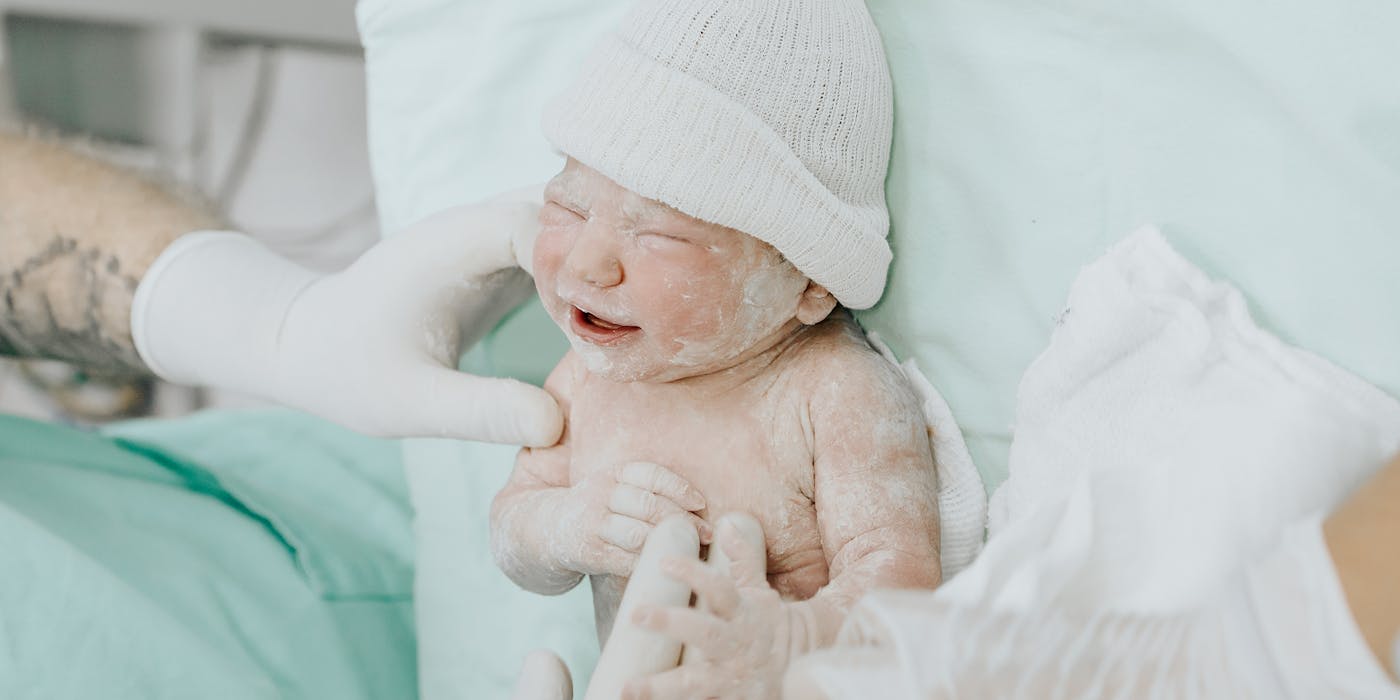
Pediatric Neurosurgery in Lahore
Specialized brain and spine surgery for newborns, infants, children and adolescents — treating congenital and acquired neurological conditions with expert care and a child-centered approach.
What Makes Pediatric Neurosurgery Different?
Pediatric neurosurgery is a distinct subspecialty, not simply 'adult neurosurgery on a smaller scale.' A child's skull and spine are still growing — the skull's sutures have not yet fused, the spinal column is still lengthening, and the brain itself is undergoing rapid maturation. Every diagnosis and surgical plan has to account for how the child will continue to grow for years after the operation, not just how they look on the day of surgery.
The diseases themselves are often different too. Children rarely get the degenerative disc disease, strokes, or metastatic brain tumors that dominate adult neurosurgery. Instead, pediatric neurosurgeons manage congenital conditions present from birth (hydrocephalus, spina bifida, craniosynostosis, Chiari malformation), and tumor types that are almost unique to childhood — such as medulloblastoma and pilocytic astrocytoma — which behave and respond to treatment very differently from typical adult brain tumors.
Anaesthesia is another key difference. Infants and young children have smaller airways, different fluid and temperature regulation, and different drug dosing requirements than adults, so pediatric anaesthesia and perioperative care must be handled by a team experienced specifically with children — from the operating room through recovery.
Finally, treating a child means treating a frightened family. A parent bringing in a baby with a rapidly growing head or a toddler with a new seizure is often facing one of the most frightening moments of their life. Clear, patient, honest communication — explained in a way both the parent and, where appropriate, the child can understand — is as much a part of pediatric neurosurgery as the operation itself.
Dr. Waqas Mehdi has extensive experience managing children's neurological conditions at Mayo Hospital Lahore — Pakistan's busiest pediatric referral center — and brings this same combination of surgical expertise and family-centered communication to his practice at MidCity Hospital, Lahore.
Signs Parents Should Never Ignore
Common Pediatric Neurosurgical Conditions We Treat
Pediatric Neurosurgical Procedures
VP Shunt for Hydrocephalus
Ventriculoperitoneal shunt diverts excess CSF from the brain to the abdomen. A life-saving procedure for infants and children with hydrocephalus, with shunt tubing and valve settings chosen to accommodate the child's future growth.
Endoscopic Third Ventriculostomy (ETV)
A minimally invasive alternative to VP shunt for suitable cases of obstructive hydrocephalus — avoids permanent shunt hardware and its long-term complications where the child's anatomy is appropriate.
Myelomeningocele Repair
Surgical closure of the spinal cord defect in newborns with spina bifida. Ideally performed within 24–48 hours of birth to reduce the risk of infection and further neurological injury.
Craniosynostosis Surgery
Reshaping and reconstruction of the skull in infants whose skull bones have fused too early, releasing the fused suture and remodeling the skull to allow the brain room to grow normally.
Pediatric Brain Tumor Removal
Surgical resection of pediatric brain tumors (medulloblastoma, ependymoma, pilocytic astrocytoma) using instruments and approaches adapted to a child's smaller anatomy, aiming to remove the tumor while minimizing neurological impact.
Growth-Related Monitoring & Revision Surgery
Unlike in adults, hardware placed in a child — shunt tubing, spinal screws and rods — may need to be lengthened, adjusted, or revised as the child grows over the following years. Dr. Waqas builds this ongoing monitoring into every pediatric surgical plan.
Adapted Technique & Multidisciplinary Coordination
Pediatric cases are managed with instruments, incisions, and anaesthesia protocols scaled to the child's size, and in close coordination with pediatricians, neonatologists, and pediatric anaesthetists at every stage of care.
Recovery & Aftercare
Children generally recover faster than adults from neurosurgery due to greater neuroplasticity, though recovery time still depends on the specific condition and procedure.
Hospitalization varies by procedure — typically 3–7 days for most pediatric cases, longer for complex tumor or spina bifida surgery.
Developmental therapy, speech therapy, and physiotherapy are often part of the comprehensive recovery plan, coordinated with pediatric specialists.
Because children continue to grow after surgery, regular follow-up with MRI, growth monitoring, and neurodevelopmental assessment is essential — some devices (shunts, spinal instrumentation) may need adjustment or revision years later as the child grows.
Why Choose Dr. Waqas Mehdi?
- Extensive pediatric neurosurgery experience gained at Mayo Hospital Lahore — Pakistan's busiest pediatric referral center
- Gentle, child-friendly approach that takes time to explain the condition and plan clearly to worried parents
- Expert in VP shunt surgery, ETV, craniosynostosis correction, and pediatric tumor removal
- Plans every pediatric case with the child's future growth in mind, not just the immediate operation
- Coordinates care with pediatric intensivists, neonatologists, and pediatric anaesthetists for complex or newborn cases
- Available for urgent evaluation of newborns and infants — call 0300-8482624 for time-sensitive cases like hydrocephalus or spina bifida
Frequently Asked Questions
My newborn has been diagnosed with hydrocephalus — what next?
Is brain surgery safe for infants?
What is craniosynostosis and does it need surgery?
How is a pediatric brain tumor different from an adult brain tumor?
At what age can a child have neurosurgery?
Can spina bifida be treated in Pakistan?
How do you explain neurosurgery to a scared child or parent?
Can children with hydrocephalus lead a normal life?
Book an Appointment
Consult Dr. Waqas Mehdi at MidCity Hospital, Lahore
0300-8482624042-35407131-6 Ext #282Related Services

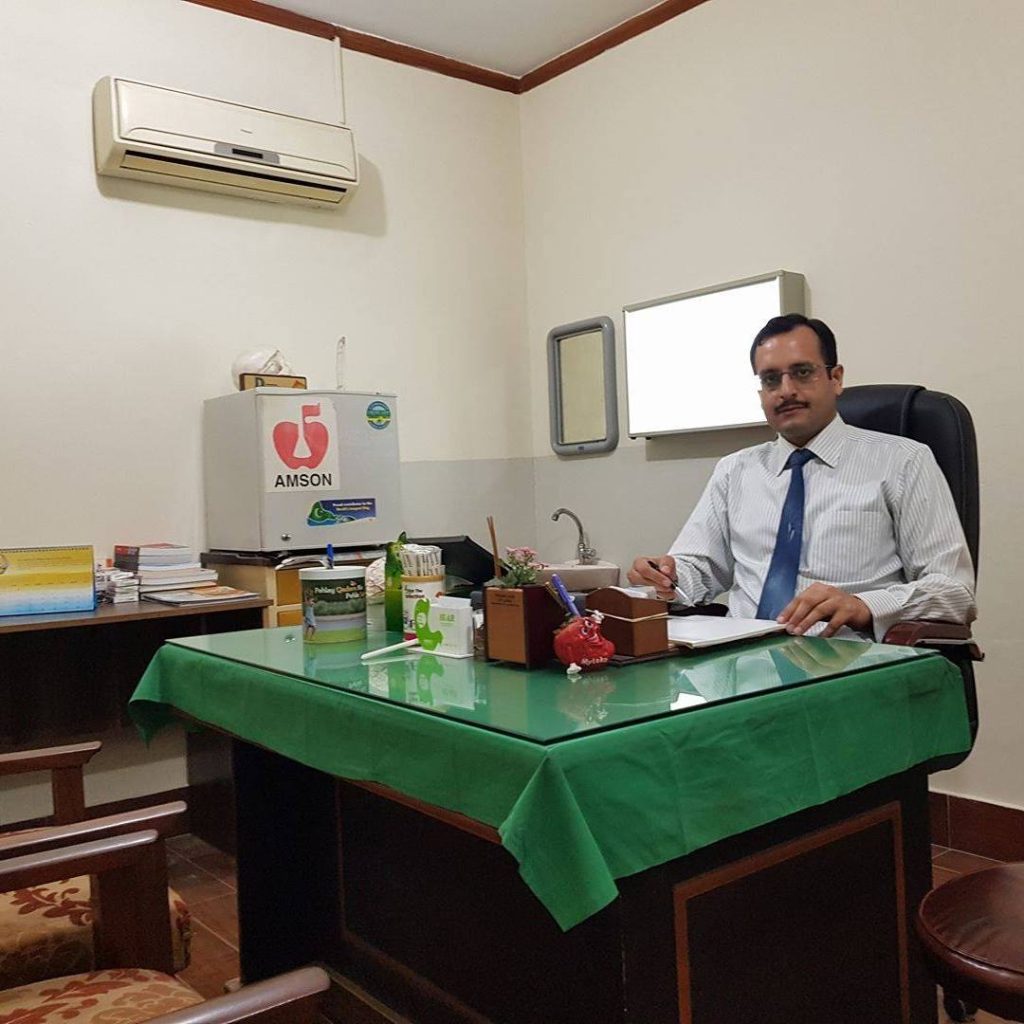
Pediatric Neurosurgery – Available for Patients Across Pakistan
Dr. Waqas Mehdi, one of the best neurosurgeons in Lahore and Pakistan, provides expert pediatric neurosurgery at MidCity Hospital and Mayo Hospital Lahore. Patients regularly travel from across Pakistan to consult him — including from:
Dr. Waqas Mehdi (MBBS, FCPS Neurosurgery) is Asst. Professor at King Edward Medical University (KEMU) and Consultant Neurosurgeon at Mayo Hospital, Lahore. His private OPD at MidCity Hospital, 3-A Main Jail Road, Lahore is open for consultations. Call 0300-8482624 or 042-35407131-6 Ext #282 to book an appointment.
Consult Dr. Waqas Mehdi Today
Pakistan's trusted neurosurgeon for brain tumor surgery, spine surgery, and all complex neurological conditions. Book your appointment at MidCity Hospital, Lahore.