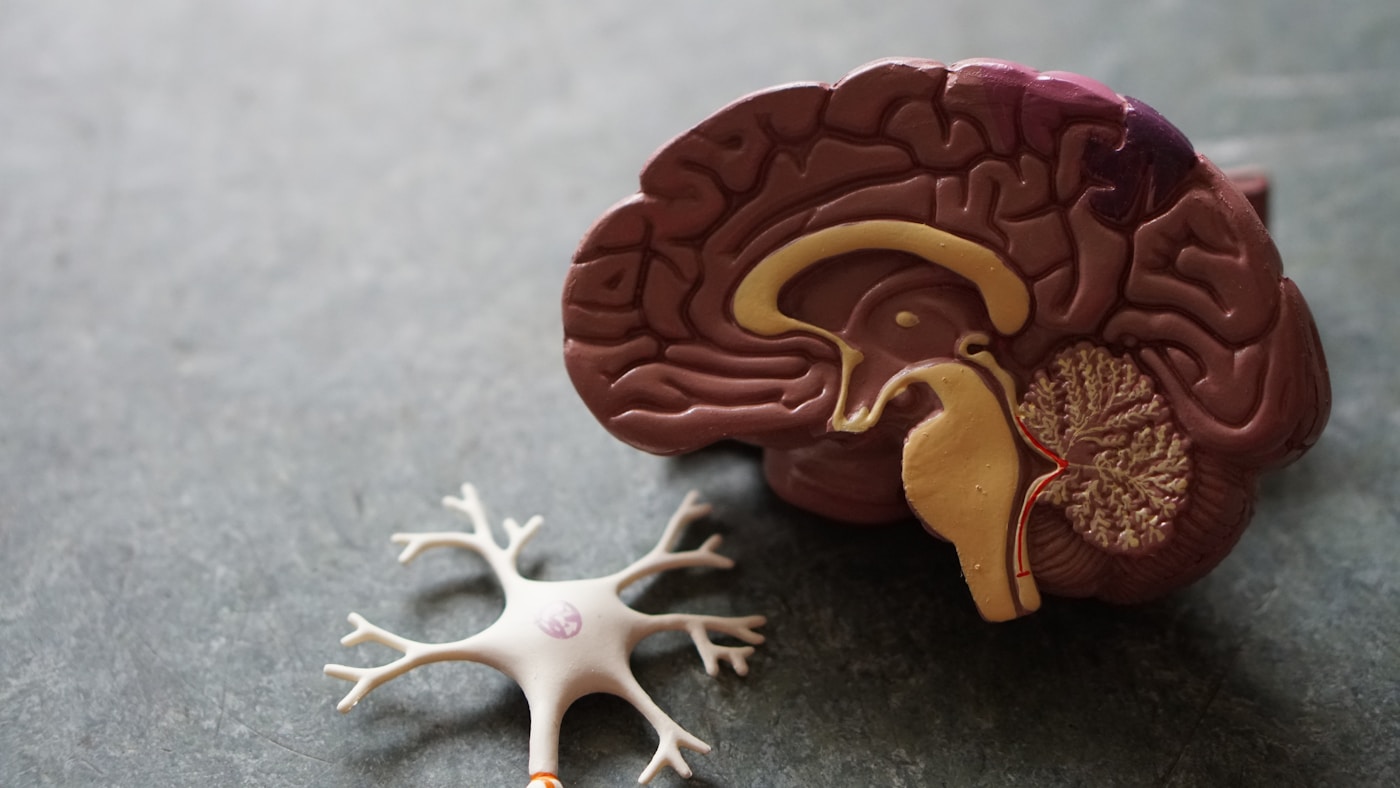
Skull Base Surgery in Lahore
Endoscopic endonasal and keyhole approaches to tumors and lesions at the base of the skull — reaching deep, complex locations with minimal brain retraction.
What is Skull Base Surgery?
The skull base is the complex floor of the skull separating the brain from the sinuses, eye sockets, and upper neck — packed with critical nerves and blood vessels. Skull base surgery addresses tumors and lesions arising in or near this region, which historically required large, high-risk open craniotomies to reach.
Modern skull base surgery increasingly uses minimally invasive approaches — most notably the endoscopic endonasal approach, which reaches many skull base tumors through the nasal cavity without any external incision or significant brain retraction — alongside keyhole craniotomies for lesions not accessible through the nose.
Dr. Waqas Mehdi, FCPS Neurosurgeon at MidCity Hospital Lahore, applies these minimally invasive techniques to skull base tumors including pituitary adenomas and select meningiomas, choosing the approach best suited to each tumor's exact location and extent.
When Skull Base Surgery May Be Needed
Conditions Treated
Skull Base Surgical Approaches
Endoscopic Endonasal Surgery
The tumor is reached through the nasal cavity using an endoscope, without any external incision or brain retraction. The standard modern approach for most pituitary tumors and select midline skull base lesions, offering faster recovery than traditional open craniotomy.
Keyhole Craniotomy
For skull base lesions not reachable through the nose, a small, precisely placed craniotomy (such as a supraorbital or retrosigmoid approach) provides access with far less brain exposure than a traditional large craniotomy.
CSF Leak Repair
Endoscopic endonasal repair of cerebrospinal fluid leaks at the skull base, using tissue grafts to seal the defect and prevent meningitis risk.
Multidisciplinary Planning
Complex skull base cases are planned individually, sometimes alongside ENT/rhinology colleagues for the nasal corridor portion of endonasal approaches, and endocrinology for pituitary-region tumors.
Recovery & Aftercare
Endoscopic endonasal surgery typically involves a shorter hospital stay than traditional open craniotomy for the same tumor, often 3-5 days depending on the tumor and any CSF leak repair required.
Nasal packing, if used, is usually removed within days; some nasal congestion and reduced sense of smell can occur temporarily after the endonasal approach.
Hormonal function is monitored closely after pituitary-region surgery, in coordination with endocrinology.
Follow-up MRI is standard to confirm the extent of tumor removal and monitor for any residual or recurrent disease.
Why Choose Dr. Waqas Mehdi?
- FCPS Neurosurgeon applying minimally invasive endoscopic and keyhole techniques to skull base tumors
- Personal review of your MRI to determine the safest, most appropriate surgical corridor
- Close coordination with endocrinology for pituitary-region tumors and ENT colleagues for the endonasal approach
- Academic and public-hospital experience at KEMU/Mayo Hospital alongside private practice at MidCity Hospital, Lahore
Frequently Asked Questions
Is skull base surgery always done through the nose?
What is the difference between skull base surgery and regular brain tumor surgery?
Is endoscopic endonasal surgery safe?
What happens if I have a CSF leak after skull base surgery?
Book an Appointment
Consult Dr. Waqas Mehdi at MidCity Hospital, Lahore
0300-8482624042-35407131-6 Ext #282
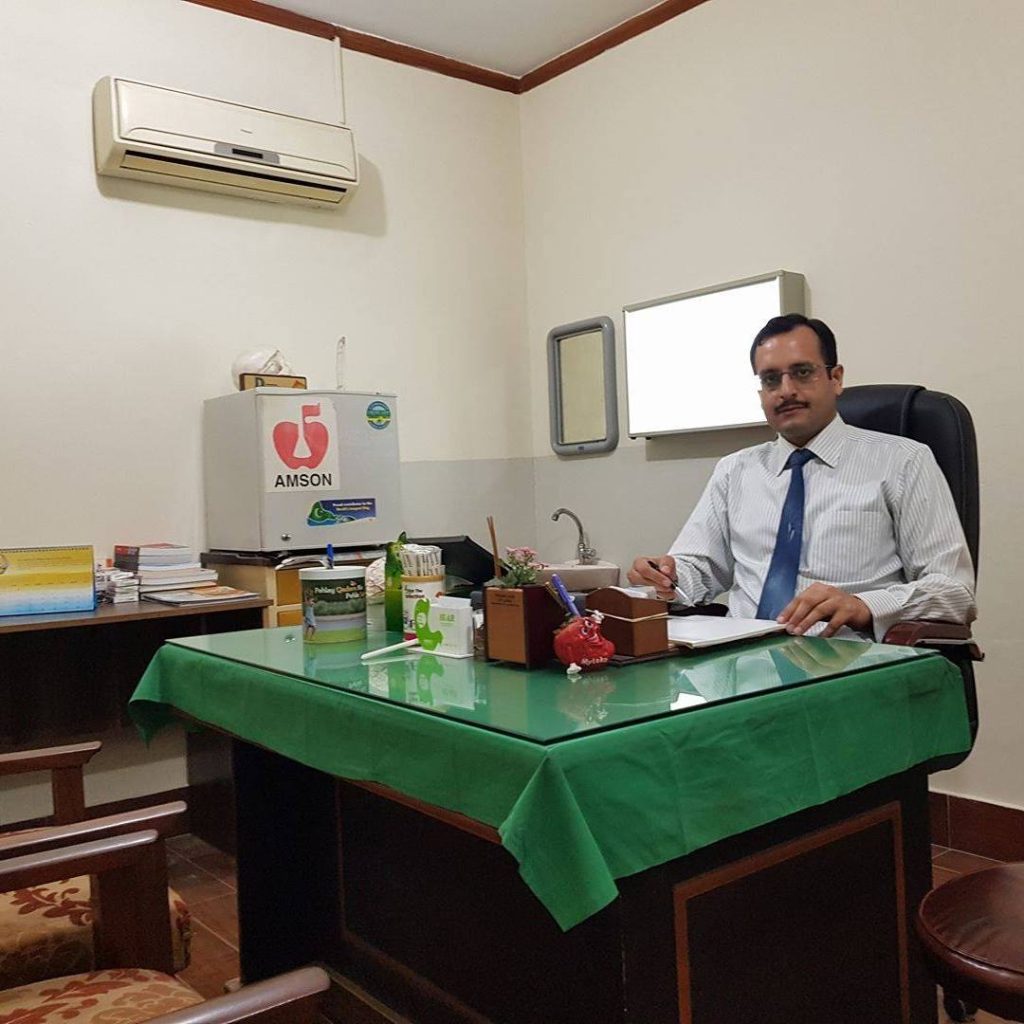
Skull Base Surgery – Available for Patients Across Pakistan
Dr. Waqas Mehdi, one of the best neurosurgeons in Lahore and Pakistan, provides expert skull base surgery at MidCity Hospital and Mayo Hospital Lahore. Patients regularly travel from across Pakistan to consult him — including from:
Dr. Waqas Mehdi (MBBS, FCPS Neurosurgery) is Asst. Professor at King Edward Medical University (KEMU) and Consultant Neurosurgeon at Mayo Hospital, Lahore. His private OPD at MidCity Hospital, 3-A Main Jail Road, Lahore is open for consultations. Call 0300-8482624 or 042-35407131-6 Ext #282 to book an appointment.
Consult Dr. Waqas Mehdi Today
Pakistan's trusted neurosurgeon for brain tumor surgery, spine surgery, and all complex neurological conditions. Book your appointment at MidCity Hospital, Lahore.