Epilepsy & Seizures
When seizures don't respond to medication and imaging shows a structural cause, neurosurgical evaluation can open the door to surgical treatment — expert assessment in Lahore, Pakistan
When Do Seizures Need a Neurosurgeon Instead of Just Medication?
Epilepsy is a neurological disorder characterized by recurrent, unprovoked seizures, and for the great majority of patients it is managed entirely by a neurologist or epileptologist using antiseizure medication. Most people with epilepsy never need to see a neurosurgeon.
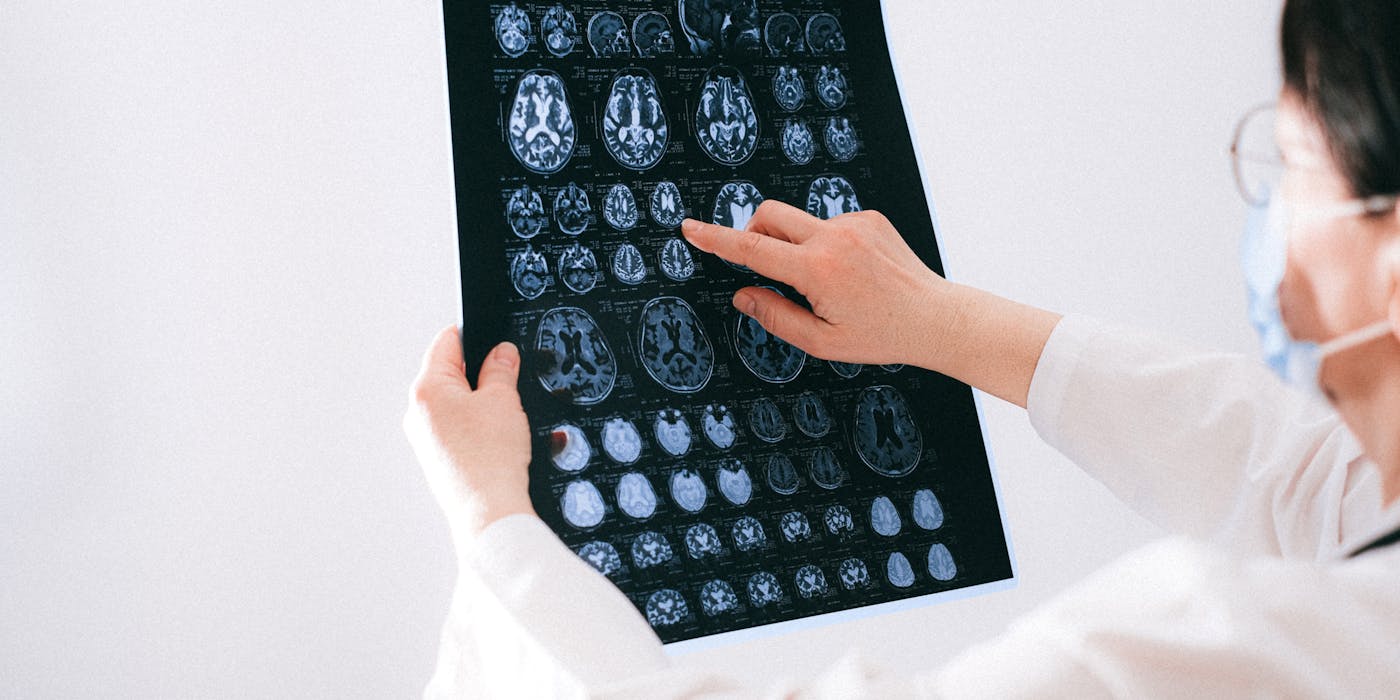
A neurosurgical opinion becomes relevant for a specific, smaller group: patients whose seizures continue despite adequate medication, and whose brain imaging shows a structural abnormality — such as a tumor, an area of scarred or malformed brain tissue, or a vascular lesion — that may be causing the seizures and could potentially be surgically removed. Dr. Waqas Mehdi's role in epilepsy care is precisely this: identifying, in partnership with the treating neurologist, which patients have a structural, surgically addressable cause for their seizures.
This page focuses on that surgical pathway. It is not a substitute for ongoing neurology-led management of epilepsy, which remains the correct first line of treatment for almost everyone with seizures.
What Is Drug-Resistant (Refractory) Epilepsy?
Drug-resistant epilepsy is a specific, well-defined clinical term — it does not simply mean "difficult to control." By standard definition, epilepsy is considered drug-resistant when seizures continue despite adequate trials of two or more appropriately chosen and correctly dosed antiseizure medications, used either alone or in combination.
This affects roughly 30% of people with epilepsy. It matters because this is the group in whom continuing to simply add or switch medications is unlikely to achieve seizure control, and in whom it becomes appropriate to ask a different question: is there a structural cause in the brain that could be surgically addressed?
- →Seizures not controlled after 2 appropriately chosen antiseizure drugs, at adequate doses
- →New-onset seizures in an adult (should always prompt an MRI)
- →Seizures associated with headache, weakness, or other neurological symptoms
- →MRI showing a brain lesion or structural abnormality
- →Seizures following head injury, stroke, or brain infection
- →A prolonged seizure (status epilepticus)
- →Sudden, unexplained change in seizure pattern or severity
Brain Tumors, Scars, and Malformations That Cause Seizures
When drug-resistant epilepsy has a structural cause, it is because a specific area of the brain is abnormal and generates abnormal electrical activity. Identifying this area — and confirming it can be safely removed — is the entire basis of epilepsy surgery. Common structural causes include:
A seizure can, in some cases, be the first and only symptom of a brain tumor — particularly slow-growing tumors near the brain's surface — even when the patient otherwise feels completely well. This is one of the main reasons every adult with a new, unexplained seizure should have an MRI brain rather than assuming it is a one-off event. For tumors identified as the underlying cause, treatment overlaps directly with our brain tumor surgery service — see also our page on brain tumors for a broader look at how these are diagnosed and treated.
What Tests Are Done Before Epilepsy Surgery?
Before any surgery can even be considered, a careful pre-surgical evaluation is required to confirm exactly where seizures start (the "seizure focus"), and to map out which brain functions sit nearby so they can be protected. This workup is done jointly with neurology and typically includes:
Only when this workup produces a consistent, well-localized picture — MRI, EEG, and clinical findings all pointing to the same region — is resective surgery considered.
Types of Epilepsy Surgery Explained
Resective Surgery (Removing the Seizure Focus)
- › The main form of epilepsy surgery — the confirmed seizure focus (a tumor, scar, cavernoma, or dysplastic area) is surgically removed
- › Offers the best chance of true seizure freedom, when the focus is well localized and safely accessible
- › Can range from removal of a discrete lesion to more extensive resections such as temporal lobe surgery, depending on the underlying cause
- › Requires the full pre-surgical workup described above to confirm safety and likely benefit
Vagus Nerve Stimulation (VNS) — A Palliative Option
- › A device implanted under the skin of the chest that sends regular electrical pulses to the vagus nerve in the neck, aiming to reduce seizure frequency and severity
- › Considered for patients with drug-resistant epilepsy who are not candidates for resective surgery — for example, when no single resectable focus can be identified, or when the focus lies in an area too critical to safely remove
- › Not a cure — seizures typically become less frequent or less severe rather than stopping altogether
- › A reasonable option to discuss when resective surgery is not appropriate but medications alone have failed
When these tests identify a clear, resectable focus, published outcomes report seizure freedom in roughly 60-80% of well-selected drug-resistant patients following surgery — though the right outcome depends entirely on individual imaging and EEG findings.
Epilepsy in Children vs Adults — Different Causes, Different Evaluation
Epilepsy in Children
In children, drug-resistant epilepsy with a structural cause is more often related to developmental or congenital brain abnormalities — such as cortical dysplasia present since birth — or to consequences of early brain injury (birth injury, infection, or early childhood insult). Because a child's brain is still developing, uncontrolled seizures can also affect learning and development, which is an additional reason early evaluation matters when medication is not working. Pediatric cases are managed jointly, drawing on our pediatric neurosurgery experience where surgery is being considered.
Epilepsy in Adults
In adults, new-onset seizures with a structural cause are more often related to a brain tumor, a vascular problem (such as a cavernoma or the after-effects of a stroke), or scar tissue following a significant head injury. This is why any adult presenting with a first seizure — especially without a clear prior history of epilepsy — should have an MRI brain, since the underlying cause and its treatment can be very different from epilepsy that began in childhood.
Frequently Asked Questions
Can epilepsy be cured with surgery?
Is epilepsy surgery safe?
What is the success rate of epilepsy surgery?
Do I need surgery if my seizures are already controlled by medication?
Can a brain tumor cause seizures without any other symptoms?
What is drug-resistant (refractory) epilepsy?
What tests are done before epilepsy surgery?
Who is the best doctor for epilepsy surgery evaluation in Lahore?
Seizures Not Controlled? Get Expert Evaluation in Lahore
Dr. Waqas Mehdi evaluates patients with drug-resistant epilepsy for a structural, surgically treatable cause. Don't assume nothing more can be done — get an MRI and EEG-based assessment. MidCity Hospital, Lahore — Mon to Sat, 6–8 PM.
Related Conditions & Services
Consult Dr. Waqas Mehdi Today
Pakistan's trusted neurosurgeon for brain tumor surgery, spine surgery, and all complex neurological conditions. Book your appointment at MidCity Hospital, Lahore.