Spinal Fusion Surgery in Lahore
Screw-and-rod fixation to stabilise an unstable, slipped, or deformed segment of the spine — restoring stability and relieving nerve compression.
What is Spinal Fusion Surgery?
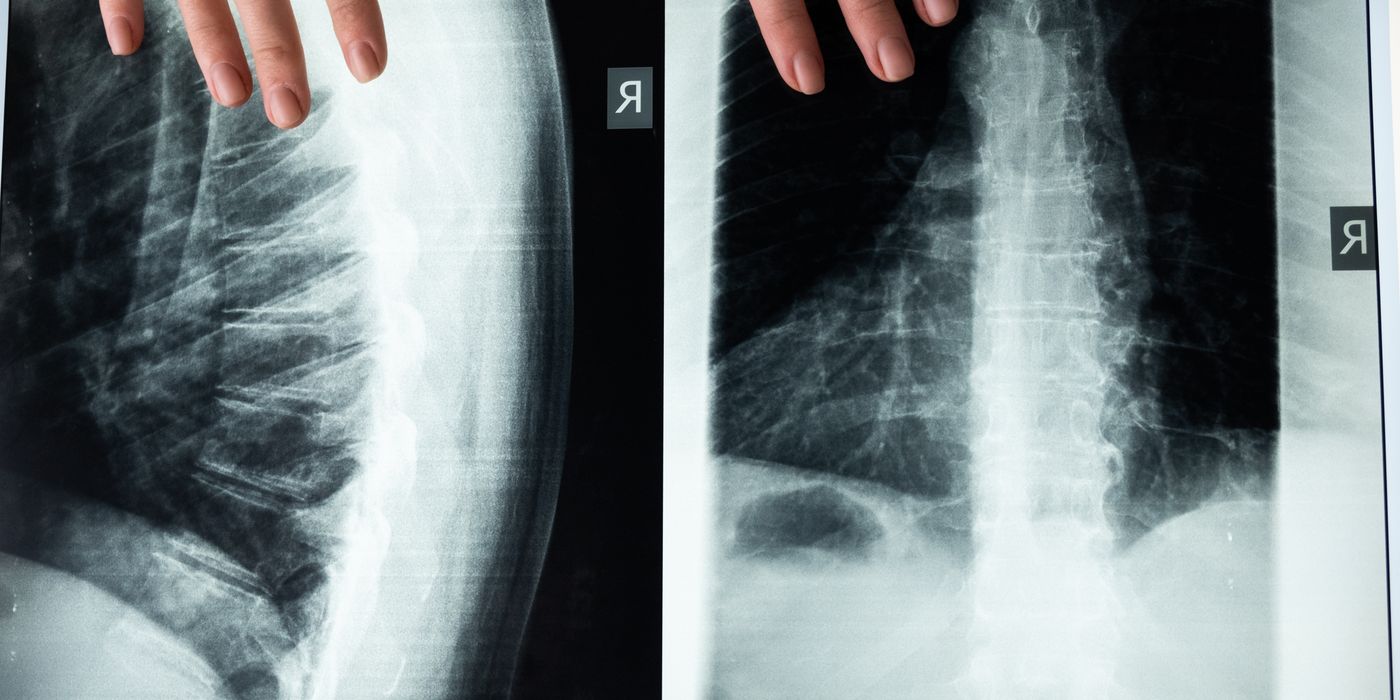
Spinal fusion is a surgical procedure that permanently joins two or more vertebrae together, eliminating abnormal motion between them. Screws and rods (spinal instrumentation) hold the segment rigid while bone graft is placed to encourage the vertebrae to fuse into a single, solid piece of bone over several months.
Dr. Waqas Mehdi performs spinal fusion for conditions where the spine has become unstable, slipped out of alignment (spondylolisthesis), or requires decompression of a nerve alongside stabilisation of the treated segment — most commonly in the lumbar (lower back) and cervical (neck) spine.
Fusion is generally reserved for cases with genuine instability or deformity — for straightforward disc herniation without instability, decompression alone (such as microdiscectomy or endoscopic surgery) is usually sufficient and preferred, since it avoids the additional recovery time of fusion.
When is Spinal Fusion Needed?
Conditions Treated with Fusion
Types of Spinal Fusion Performed
TLIF (Transforaminal Lumbar Interbody Fusion)
A common lumbar fusion technique — the disc is removed and a cage placed between the vertebral bodies through a posterior approach, combined with screws and rods for stability. Effective for spondylolisthesis and disc-level instability.
PLIF (Posterior Lumbar Interbody Fusion)
Similar to TLIF but approaching the disc space from directly behind, sometimes used for specific anatomical situations requiring bilateral disc access.
Posterolateral Fusion with Pedicle Screws
Bone graft is placed along the back of the spine (rather than in the disc space), stabilised with pedicle screws and rods — often used alongside decompression for stenosis with instability.
ACDF (Anterior Cervical Discectomy and Fusion)
The standard fusion technique for cervical disc disease — approached from the front of the neck, removing the disc and placing a cage, followed by a plate and screws for added stability.
Minimally Invasive Fusion (MIS-TLIF)
Uses smaller incisions and tubular retractors to place screws and cages with less muscle disruption than traditional open fusion, where the patient's anatomy and pathology are suitable.
Recovery & Aftercare
Hospital stay is typically 3–5 days for lumbar fusion and 2–3 days for cervical (ACDF) fusion, depending on the number of levels involved.
A brace or collar may be recommended for several weeks to support the spine while early fusion occurs.
Light activity and walking are encouraged from the first day after surgery; heavier lifting and bending are restricted for around 6–12 weeks.
Bone fusion itself takes several months to mature fully, though most patients feel substantially better well before the fusion is radiologically complete.
Return to desk-based work is typically possible within 4–6 weeks; physically demanding work takes longer and is guided by follow-up assessment.
Why Choose Dr. Waqas Mehdi?
- FCPS Neurosurgeon experienced in both lumbar and cervical spinal fusion
- Recommends fusion only when there is genuine instability — not as a default for every disc problem
- Personally reviews your MRI/X-rays (including flexion-extension views) to confirm instability before advising fusion
- Uses minimally invasive fusion techniques where clinically appropriate to reduce muscle damage and recovery time
- Transparent discussion of implant options and realistic cost expectations at consultation
- Private consultation at MidCity Hospital, Lahore — evenings Mon to Sat
Frequently Asked Questions
How do I know if I need spinal fusion instead of just disc surgery?
Is spinal fusion surgery safe?
Will spinal fusion limit my movement permanently?
How long does it take for the spine to fully fuse?
What is the cost of spinal fusion surgery in Lahore?
Book an Appointment
Consult Dr. Waqas Mehdi at MidCity Hospital, Lahore
0300-8482624042-35407131-6 Ext #282
Spinal Fusion Surgery – Available for Patients Across Pakistan
Dr. Waqas Mehdi, one of the best neurosurgeons in Lahore and Pakistan, provides expert spinal fusion surgery at MidCity Hospital and Mayo Hospital Lahore. Patients regularly travel from across Pakistan to consult him — including from:
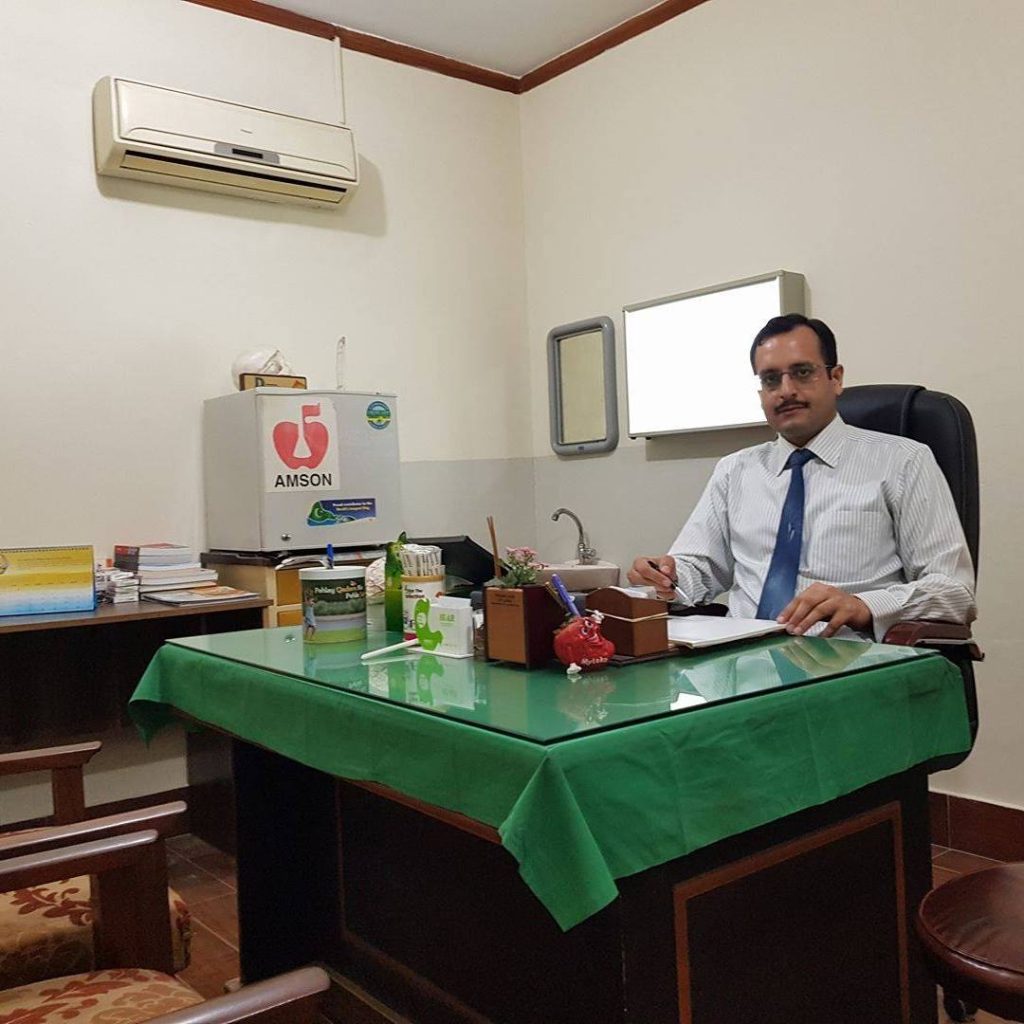
Dr. Waqas Mehdi (MBBS, FCPS Neurosurgery) is Asst. Professor at King Edward Medical University (KEMU) and Consultant Neurosurgeon at Mayo Hospital, Lahore. His private OPD at MidCity Hospital, 3-A Main Jail Road, Lahore is open for consultations. Call 0300-8482624 or 042-35407131-6 Ext #282 to book an appointment.
Consult Dr. Waqas Mehdi Today
Pakistan's trusted neurosurgeon for brain tumor surgery, spine surgery, and all complex neurological conditions. Book your appointment at MidCity Hospital, Lahore.