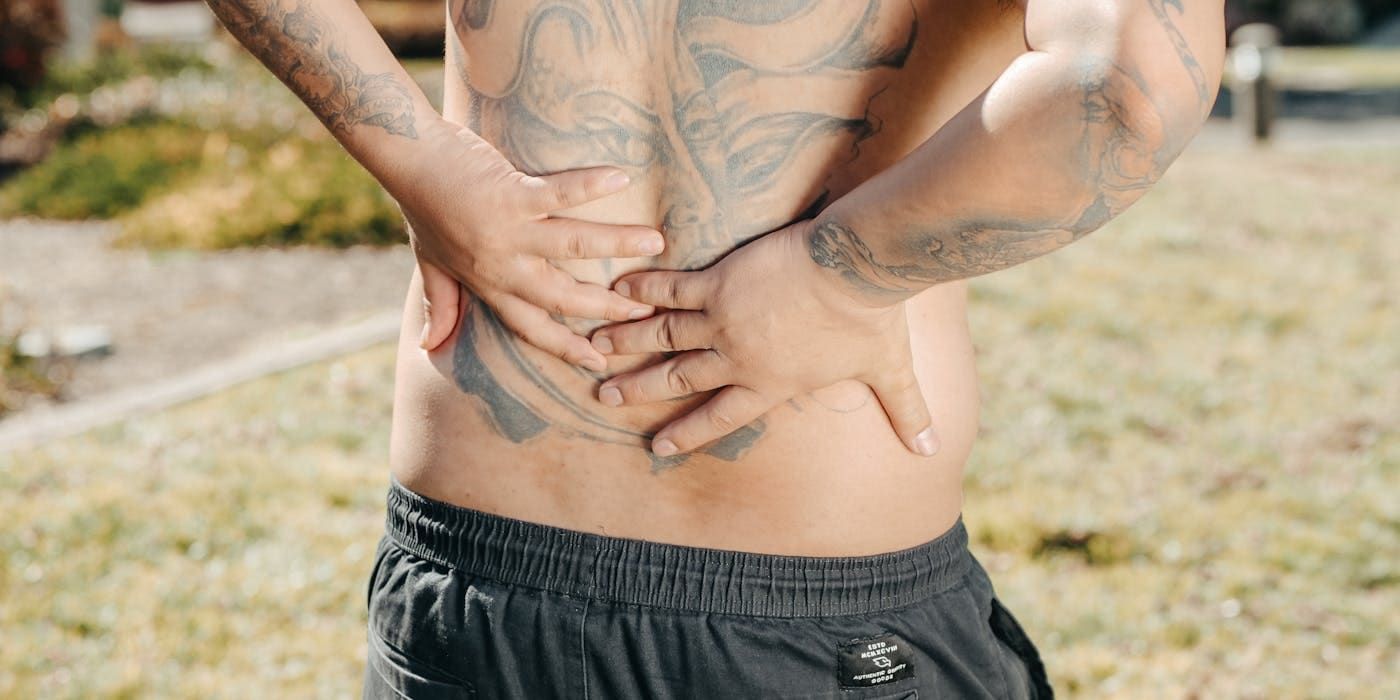
Sciatica Treatment & Surgery in Lahore
A structured, step-by-step treatment pathway for sciatica — from conservative care and injections through to minimally invasive surgery, offered only when it is genuinely needed.
Sciatica Treatment: Understanding the Treatment Ladder
Sciatica is pain that radiates along the sciatic nerve — the longest nerve in the body, running from the lower back through the hip and buttock and down the back of the leg. It is usually a symptom of an underlying spinal problem, most commonly a herniated lumbar disc pressing on a nerve root, or narrowing of the spinal canal (spinal stenosis) that pinches the nerve as it exits the spine.
The most important thing to understand about sciatica treatment is that it follows a ladder, not a single fixed path. The large majority of people with sciatica improve with conservative, non-surgical care alone. A smaller group whose pain persists despite conservative treatment benefit from a targeted epidural steroid injection. Only a minority — typically those with a confirmed disc herniation or stenosis on MRI that has not responded to several weeks of appropriate non-surgical treatment — go on to need surgery. Dr. Waqas Mehdi's approach is deliberately conservative-first: surgery is discussed as an option, not presented as the default, and is recommended only when the clinical picture and imaging genuinely support it.
This page focuses on that treatment pathway in detail — what conservative care actually involves, when an injection is appropriate, and which surgical option (microdiscectomy, endoscopic discectomy, or in some cases spinal fusion) applies to which situation. If you are still trying to understand your symptoms, distinguish sciatica from other causes of leg pain, or want a self-assessment of red-flag warning signs, see the dedicated sciatica condition page, which covers that side of things in more depth.
One point deserves emphasis regardless of where you are on the treatment ladder: a small number of sciatica presentations are medical emergencies, not routine cases to be managed with a wait-and-see approach. If sciatica is accompanied by new bladder or bowel dysfunction, numbness in the saddle area (inner thighs, groin, and around the perineum), or weakness affecting both legs, this can indicate cauda equina syndrome — compression of the nerve bundle at the base of the spinal cord — and requires emergency assessment and, if confirmed, emergency surgery within hours, not weeks.
Sciatica Symptoms — And Red-Flag Warning Signs
Causes of Sciatic Nerve Pain
Sciatica Surgery in Lahore — The Full Treatment Ladder
Step 1 — Conservative Care (First Line for Most Patients)
The starting point for almost all sciatica: structured physiotherapy, activity and posture modification, and anti-inflammatory medication (NSAIDs) to settle nerve irritation. This is typically given a genuine trial of 6 or more weeks before anything more invasive is considered, since a large proportion of disc-related sciatica settles on its own as the herniated disc fragment shrinks over time. Short courses of rest are avoided in favour of guided, gradual activity, which produces better long-term outcomes than prolonged bed rest.
Step 2 — Epidural Steroid Injection
For patients whose radicular leg pain has not settled with conservative care, or who need faster relief to engage properly with physiotherapy, a fluoroscopy or ultrasound-guided epidural steroid injection delivers anti-inflammatory medication directly around the irritated nerve root. This does not fix the underlying disc problem, but it can substantially reduce pain and buy time for the disc to heal naturally, sometimes avoiding surgery altogether.
Step 3 — Microdiscectomy
When sciatica is caused by a confirmed disc herniation on MRI and has not responded to 6+ weeks of conservative treatment (with or without injection), microdiscectomy removes the specific disc fragment compressing the nerve. It remains the gold-standard surgical option for disc-related sciatica, with success rates in the range of 90-95% for well-selected patients. See the dedicated microdiscectomy page for full detail on the procedure and recovery.
Step 4 — Full Endoscopic Discectomy (PELD)
For suitable disc herniations, full endoscopic lumbar discectomy achieves the same goal as microdiscectomy — removing the fragment pressing on the nerve — through a single 7mm incision using an endoscope, with less muscle disruption and often same-day or next-day discharge. Not every disc herniation is suited to this technique; Dr. Waqas Mehdi reviews the MRI to advise whether endoscopic discectomy or standard microdiscectomy is more appropriate. See the endoscopic discectomy and endoscopic spine surgery pages for more on this approach.
Step 5 — Spinal Fusion (When Instability is Present)
In a smaller subset of cases — particularly where sciatica is associated with spondylolisthesis, significant segmental instability, or recurrent disc herniation at the same level after previous surgery — simple decompression alone may not give a durable result. In these situations, spinal fusion stabilises the affected segment alongside decompression of the nerve. This is not a routine step in the sciatica pathway and is reserved for cases with clear evidence of instability on imaging.
Recovery & Aftercare
Conservative care: most patients notice meaningful improvement within 2-4 weeks of starting structured physiotherapy and activity modification, with the majority resolving substantially by 6-12 weeks.
Epidural steroid injection: pain relief typically begins within a few days to two weeks and commonly lasts several weeks to a few months — long enough, in many patients, to complete rehabilitation and avoid surgery entirely. A repeat injection is sometimes considered if relief is partial.
Microdiscectomy: most patients are walking the same day, are discharged within 1-2 days, and notice significant improvement in leg pain almost immediately after surgery since nerve compression is relieved directly. Return to desk work is usually 1-2 weeks, and to more physical work around 4-6 weeks — see the microdiscectomy page for the full recovery timeline.
Full endoscopic discectomy: recovery follows a similar pattern to microdiscectomy but with less muscle disruption, often allowing same-day or next-day discharge and a slightly quicker return to light activity.
Spinal fusion: recovery is longer, typically several weeks to a few months, as the fused segment needs time to consolidate; Dr. Waqas Mehdi outlines a realistic, individualised timeline for these cases at consultation.
Whatever the stage of treatment, structured physiotherapy and core strengthening afterward meaningfully reduce the risk of sciatica recurring.
Why Choose Dr. Waqas Mehdi?
- Assesses every patient against the full treatment ladder — conservative care and injections are genuinely tried first, not skipped over
- Expert in correlating MRI findings with the exact nerve root involved, so treatment targets the actual source of pain
- Offers both microdiscectomy and full endoscopic discectomy, and advises which is best suited to your specific disc herniation
- Recommends spinal fusion only in the minority of cases where imaging shows genuine instability, not as a routine add-on
- FCPS-qualified neurosurgeon, Asst. Professor at KEMU, based at MidCity Hospital, Lahore
- Serves patients travelling from across Lahore, Karachi, Islamabad, and overseas for a clear, staged treatment plan
Frequently Asked Questions
Is sciatica surgery available in Lahore?
How long should I try physiotherapy before considering surgery for sciatica?
Is sciatica surgery a last resort?
Can sciatica be treated without surgery?
How successful is epidural injection for sciatica?
What is the cost of sciatica treatment in Lahore?
How do I know if my sciatica is an emergency?
What is the difference between microdiscectomy and endoscopic discectomy for sciatica?
Will I need spinal fusion for my sciatica?
Book an Appointment
Consult Dr. Waqas Mehdi at MidCity Hospital, Lahore
0300-8482624042-35407131-6 Ext #282Related Services

Sciatica Treatment – Available for Patients Across Pakistan
Dr. Waqas Mehdi, one of the best neurosurgeons in Lahore and Pakistan, provides expert sciatica treatment at MidCity Hospital and Mayo Hospital Lahore. Patients regularly travel from across Pakistan to consult him — including from:
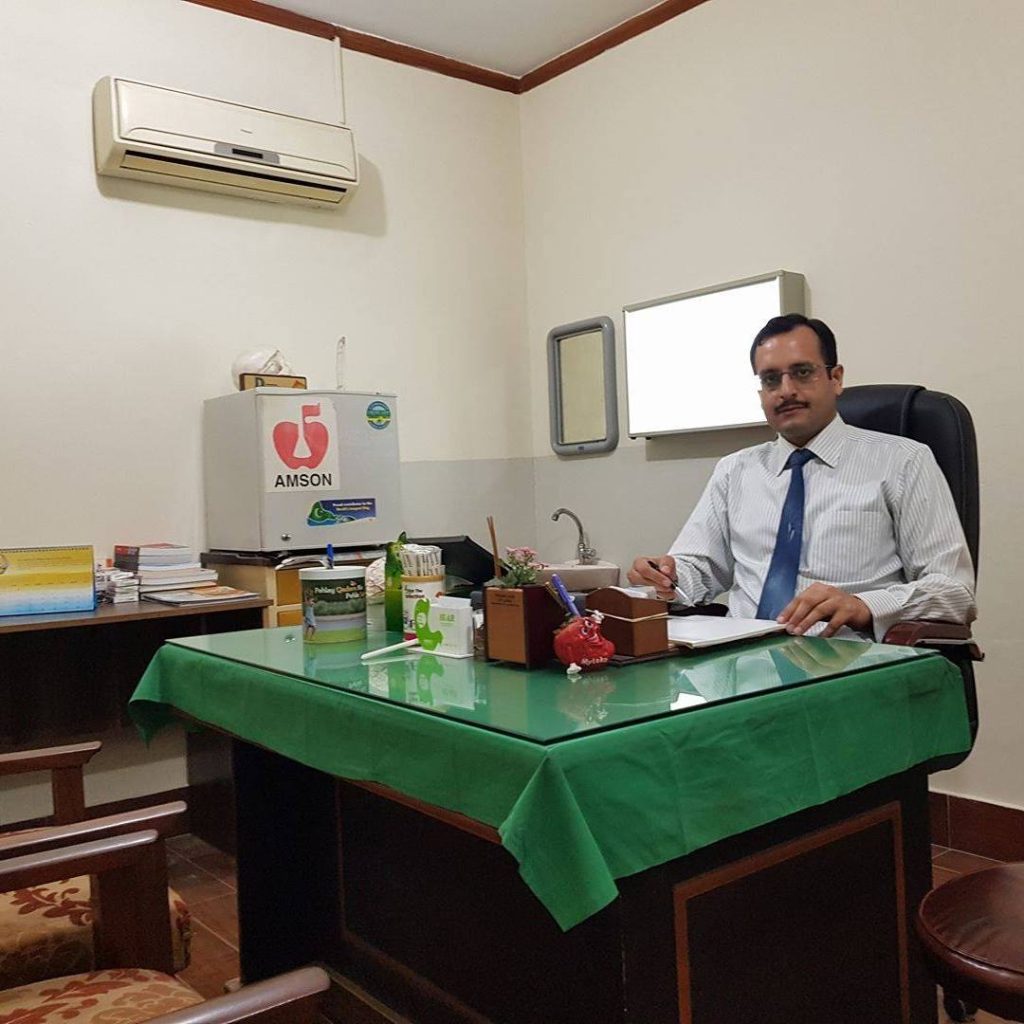
Dr. Waqas Mehdi (MBBS, FCPS Neurosurgery) is Asst. Professor at King Edward Medical University (KEMU) and Consultant Neurosurgeon at Mayo Hospital, Lahore. His private OPD at MidCity Hospital, 3-A Main Jail Road, Lahore is open for consultations. Call 0300-8482624 or 042-35407131-6 Ext #282 to book an appointment.
Consult Dr. Waqas Mehdi Today
Pakistan's trusted neurosurgeon for brain tumor surgery, spine surgery, and all complex neurological conditions. Book your appointment at MidCity Hospital, Lahore.