Cerebrovascular Neurosurgery in Lahore
Surgical management of conditions affecting the brain's blood vessels — brain aneurysms, arteriovenous malformations, and bleeding strokes — at MidCity Hospital, Lahore.
What is Cerebrovascular Neurosurgery?
Cerebrovascular neurosurgery is the branch of neurosurgery concerned with conditions affecting the blood vessels of the brain — most commonly brain aneurysms, arteriovenous malformations (AVMs), and bleeding within or around the brain (haemorrhagic stroke). These conditions can present as a sudden, life-threatening emergency, or be found incidentally on a scan done for an unrelated reason.
Management of cerebrovascular disease is often a team effort between neurosurgery, interventional neuroradiology, and neurology/stroke medicine — the right treatment depends heavily on the exact vascular abnormality, its location, and whether it has already bled.
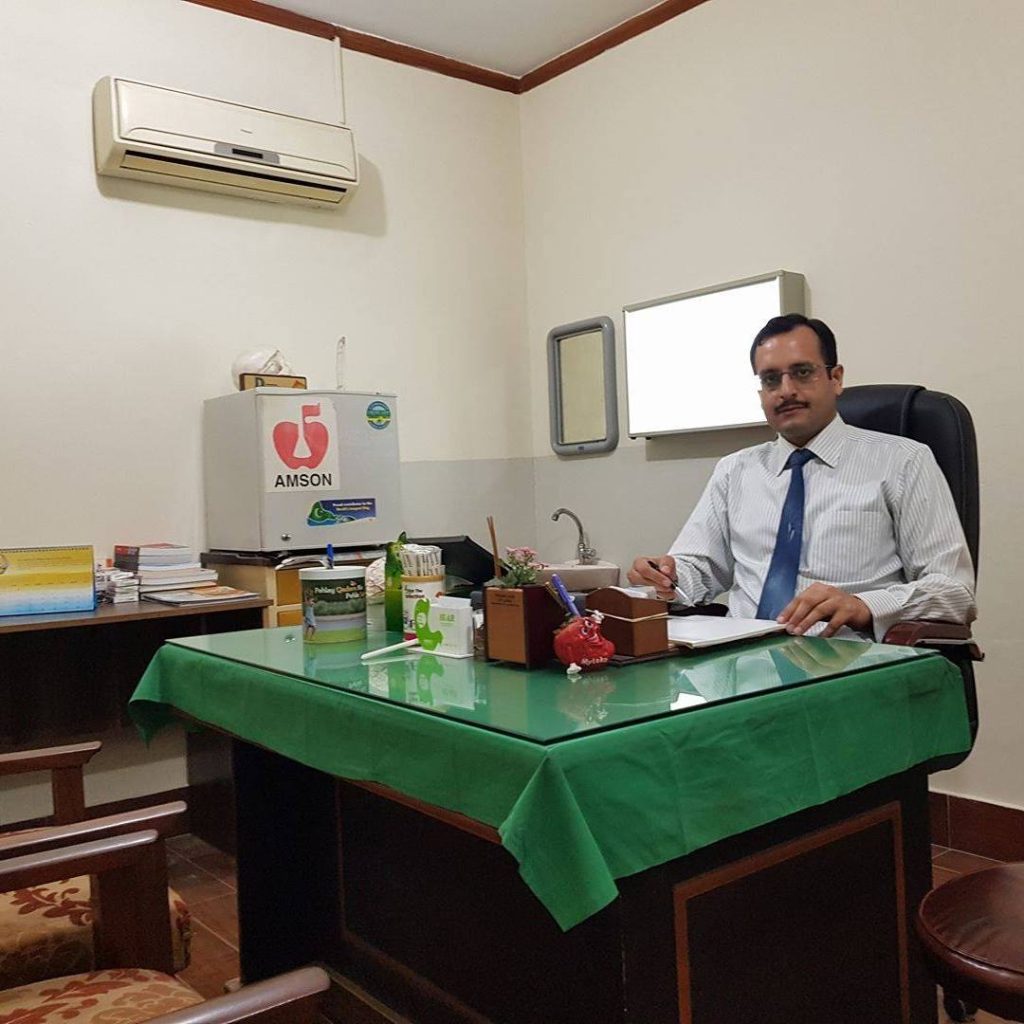
Dr. Waqas Mehdi, FCPS Neurosurgeon at MidCity Hospital Lahore, evaluates patients with suspected or confirmed cerebrovascular conditions and provides surgical management where indicated, working alongside colleagues in radiology and stroke care for a coordinated approach.
When Cerebrovascular Neurosurgery May Be Needed
Conditions Treated
Cerebrovascular Procedures
Microsurgical Aneurysm Clipping
A craniotomy is performed to directly access the aneurysm, and a small metal clip is placed across its neck, permanently excluding it from circulation. See our dedicated Brain Aneurysm page for full detail on clipping versus endovascular coiling.
AVM Resection
Surgical removal of an arteriovenous malformation — an abnormal tangle of blood vessels where arteries connect directly to veins without a normal capillary bed — for AVMs that are surgically accessible and carry a meaningful bleeding risk.
Evacuation of Intracerebral Haemorrhage
For selected patients with a significant brain bleed causing dangerous pressure or neurological decline, surgery removes the clot to relieve pressure and limit further brain injury.
Cavernoma Resection
Surgical removal of a cavernous malformation causing seizures or recurrent bleeding, particularly when accessible without excessive risk to surrounding brain tissue.
Coordination with Endovascular Treatment
For aneurysms and AVMs better suited to a catheter-based approach, Dr. Waqas coordinates with interventional neuroradiology colleagues to arrange endovascular coiling, embolisation, or flow diversion.
Recovery & Aftercare
Recovery depends heavily on whether surgery was planned (unruptured aneurysm/AVM) or emergency (ruptured aneurysm, haemorrhagic stroke) — emergency cases typically require a period of intensive care monitoring.
Planned cerebrovascular surgery often involves several days of hospital stay with close neurological observation.
Rehabilitation (physiotherapy, speech therapy) may be needed after a haemorrhagic stroke or significant AVM-related bleed, depending on the neurological deficit present beforehand.
Long-term follow-up imaging is standard after aneurysm or AVM treatment, to confirm the abnormality remains fully treated.
Why Choose Dr. Waqas Mehdi?
- FCPS Neurosurgeon experienced in the surgical management of cerebrovascular conditions
- Works alongside interventional neuroradiology for cases better suited to endovascular treatment
- Personal review of your CT/MRI/angiography and clear explanation of the findings and risks
- Available for urgent assessment of suspected ruptured aneurysm or acute haemorrhagic stroke
- Academic and public-hospital experience at KEMU/Mayo Hospital alongside private practice at MidCity Hospital, Lahore
Frequently Asked Questions
Is a brain aneurysm always an emergency?
What is an AVM and does it always need surgery?
How is a brain bleed (haemorrhagic stroke) treated?
Do all cerebrovascular conditions require open surgery?
Who should get screened for a brain aneurysm?
Book an Appointment
Consult Dr. Waqas Mehdi at MidCity Hospital, Lahore
0300-8482624042-35407131-6 Ext #282Related Services

Cerebrovascular Neurosurgery – Available for Patients Across Pakistan
Dr. Waqas Mehdi, one of the best neurosurgeons in Lahore and Pakistan, provides expert cerebrovascular neurosurgery at MidCity Hospital and Mayo Hospital Lahore. Patients regularly travel from across Pakistan to consult him — including from:
Dr. Waqas Mehdi (MBBS, FCPS Neurosurgery) is Asst. Professor at King Edward Medical University (KEMU) and Consultant Neurosurgeon at Mayo Hospital, Lahore. His private OPD at MidCity Hospital, 3-A Main Jail Road, Lahore is open for consultations. Call 0300-8482624 or 042-35407131-6 Ext #282 to book an appointment.
Consult Dr. Waqas Mehdi Today
Pakistan's trusted neurosurgeon for brain tumor surgery, spine surgery, and all complex neurological conditions. Book your appointment at MidCity Hospital, Lahore.