Hydrocephalus Treatment in Lahore
Expert surgical management of hydrocephalus (water on the brain) using VP shunt surgery and endoscopic third ventriculostomy (ETV) for all age groups.
What is Hydrocephalus?
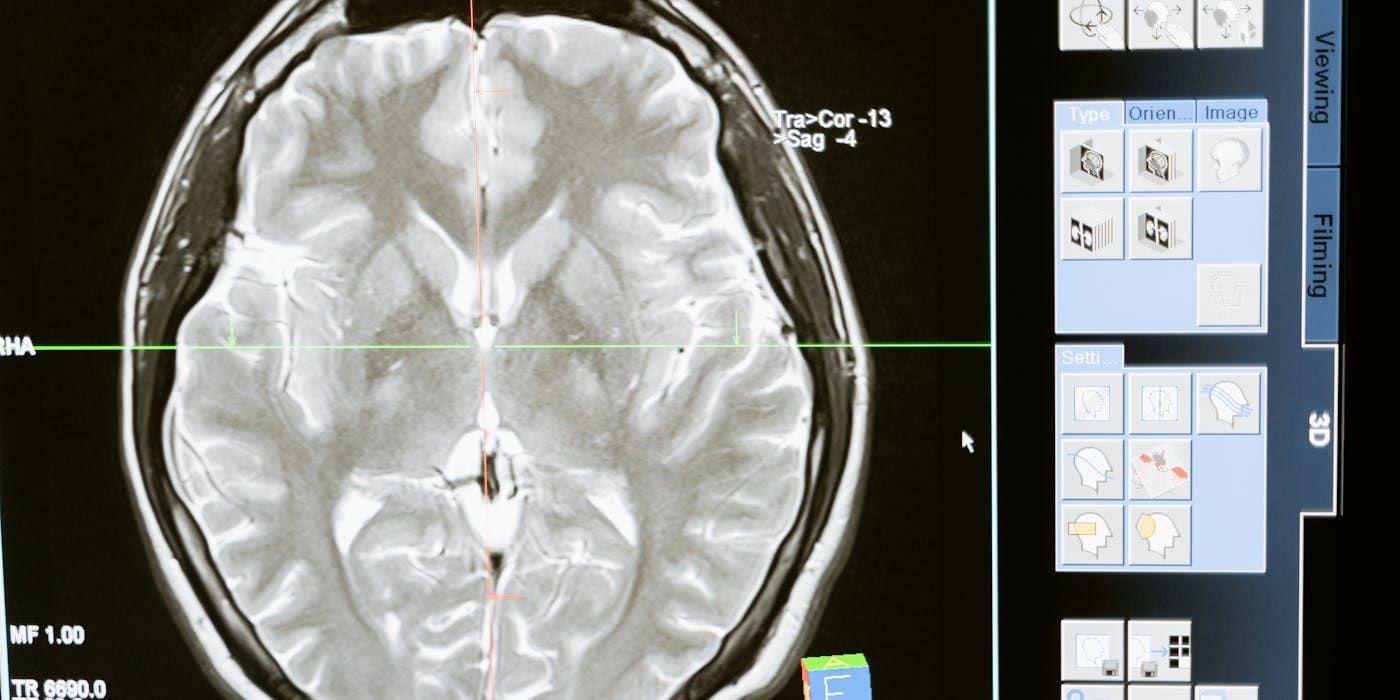
Hydrocephalus is a condition in which excess cerebrospinal fluid (CSF) accumulates within the ventricles (fluid-filled spaces) of the brain, causing increased intracranial pressure. It is sometimes called 'water on the brain'.
It can occur in any age group — from premature newborns to elderly adults. In children, it is often congenital or follows infection/hemorrhage. In adults, it may be caused by tumors, bleeding, infection, or occur as Normal Pressure Hydrocephalus (NPH).
This page focuses specifically on the surgical procedures used to treat hydrocephalus — how VP shunt surgery and ETV are actually performed, what happens on the day of surgery, and what recovery involves. If you are still trying to understand the condition itself, its symptoms, and causes in more general terms, see our dedicated Hydrocephalus condition page.
Dr. Waqas Mehdi has treated hundreds of hydrocephalus patients of all ages at Mayo Hospital and MidCity Hospital Lahore. He determines the most appropriate treatment — VP shunt, ETV, or ETV+CPC — based on thorough evaluation of the cause and site of CSF obstruction, patient age, and overall health.
Symptoms That May Indicate Surgery Is Needed
Types & Causes of Hydrocephalus
Hydrocephalus Surgery: Procedures Performed by Dr. Waqas Mehdi
VP Shunt Surgery (Ventriculoperitoneal Shunt)
The most common and time-tested treatment for hydrocephalus. Under general anaesthesia, a thin catheter is placed through a small opening in the skull into the brain ventricle, connected to a valve that regulates CSF flow, and tunneled under the skin down to the abdomen where the fluid is safely absorbed by the peritoneal lining. Surgery itself takes roughly 45–90 minutes. Patients typically stay in hospital for 2–4 days for observation and a baseline CT scan before discharge. Relief of symptoms — especially headache and vomiting — is often dramatic within the first day or two.
Endoscopic Third Ventriculostomy (ETV)
A minimally invasive, shunt-free alternative for selected cases of obstructive hydrocephalus, most often used when the blockage is at or below the level of the aqueduct. Under general anaesthesia, a neuroendoscope is passed through a small burr hole, and a new opening is made in the floor of the third ventricle, allowing CSF to bypass the obstruction and flow normally again. Procedure time is usually 30–60 minutes with a hospital stay of 2–3 days. Because no permanent hardware is implanted, there is no risk of shunt blockage or infection later in life — though not every patient's anatomy is suitable, which Dr. Waqas assesses carefully on MRI before recommending it.
ETV + Choroid Plexus Cauterization (ETV+CPC)
A combined endoscopic procedure increasingly used in infants — especially those under one year of age — to treat hydrocephalus without a shunt. In addition to the third ventriculostomy, the choroid plexus (the tissue that produces CSF) is cauterized endoscopically to reduce fluid production, improving success rates in a population where standalone ETV alone is less reliable. Operative time runs slightly longer than ETV alone, at around 60–90 minutes, with similar 2–3 day hospital stays and close follow-up in the following weeks.
Programmable / Adjustable Shunt Valves
Modern VP shunts increasingly use programmable valves rather than fixed-pressure valves. These allow Dr. Waqas to non-invasively adjust the drainage pressure setting in clinic using an external magnetic programmer — without further surgery — if a patient is draining too much or too little CSF after the initial operation. This technology is particularly useful in growing children and in adults with Normal Pressure Hydrocephalus, where the ideal pressure setting is sometimes only found after a period of monitoring and fine-tuning.
Shunt Revision Surgery
VP shunts can fail over time due to mechanical blockage, disconnection, infection, or simply being outgrown by a growing child. Shunt revision involves replacing or repositioning the blocked or infected component — sometimes just the ventricular catheter, sometimes the entire system. Dr. Waqas Mehdi performs shunt revisions urgently when a malfunction is suspected, as untreated shunt failure can lead to rapidly rising intracranial pressure.
Recovery & Aftercare
VP shunt surgery typically takes 45–90 minutes under general anaesthesia. Hospital stay is usually 2–4 days, including a post-operative CT scan to confirm shunt position before discharge.
ETV and ETV+CPC procedures usually involve a slightly shorter stay of 2–3 days, with a check MRI or CT arranged in the following weeks to confirm the new CSF pathway is working.
The scalp incision is closed with sutures or staples, which are typically removed at the 7–10 day follow-up visit — sooner in infants, whose skin heals quickly.
In infants and young children, head circumference and fontanelle tension are monitored closely at each follow-up as the most reliable early sign of shunt function. In older children and adults, resolution of headache, gait, and vision symptoms is tracked instead.
Activity restrictions differ by age: infants generally need no special restriction beyond routine wound care, while older children and adults are advised to avoid contact sports, heavy lifting, and swimming for around 4–6 weeks until the incision and shunt tubing are fully settled.
Follow-up imaging (CT or MRI) is scheduled at set intervals — typically at discharge, 6 weeks, and then periodically thereafter — to confirm ventricle size has normalized and remains stable over time.
Warning signs that require urgent same-day return include worsening headache, repeated vomiting, increasing drowsiness or irritability, fever, redness or swelling along the shunt tract, or return of the original pre-surgery symptoms — these can indicate shunt blockage, disconnection, or infection and should never be watched at home.
Dr. Waqas Mehdi provides lifetime follow-up for all hydrocephalus patients with shunts, since shunt function needs periodic reassessment for as long as the device remains in place.
Why Choose Dr. Waqas Mehdi?
- Hundreds of VP shunt surgeries performed in children and adults
- Expert in ETV and ETV+CPC — avoiding permanent hardware in suitable patients
- Experience with programmable shunt valves and post-operative pressure adjustment
- Experience managing complex and revision cases at Mayo Hospital Lahore
- Comprehensive pre- and post-operative care with structured neuroimaging follow-up
- Available for urgent same-day assessment when shunt malfunction is suspected
Frequently Asked Questions
Is a VP shunt a lifelong device?
Can hydrocephalus be cured without surgery?
What is ETV and is it better than a VP shunt?
What is the cost of VP shunt surgery in Lahore?
How long does a VP shunt last before it needs replacement?
Can hydrocephalus come back after ETV?
Is hydrocephalus surgery safe for premature babies?
What are the signs my child's shunt has stopped working?
Can adults live a normal life with a VP shunt?
Book an Appointment
Consult Dr. Waqas Mehdi at MidCity Hospital, Lahore
0300-8482624042-35407131-6 Ext #282Related Services

Hydrocephalus Treatment – Available for Patients Across Pakistan
Dr. Waqas Mehdi, one of the best neurosurgeons in Lahore and Pakistan, provides expert hydrocephalus treatment at MidCity Hospital and Mayo Hospital Lahore. Patients regularly travel from across Pakistan to consult him — including from:
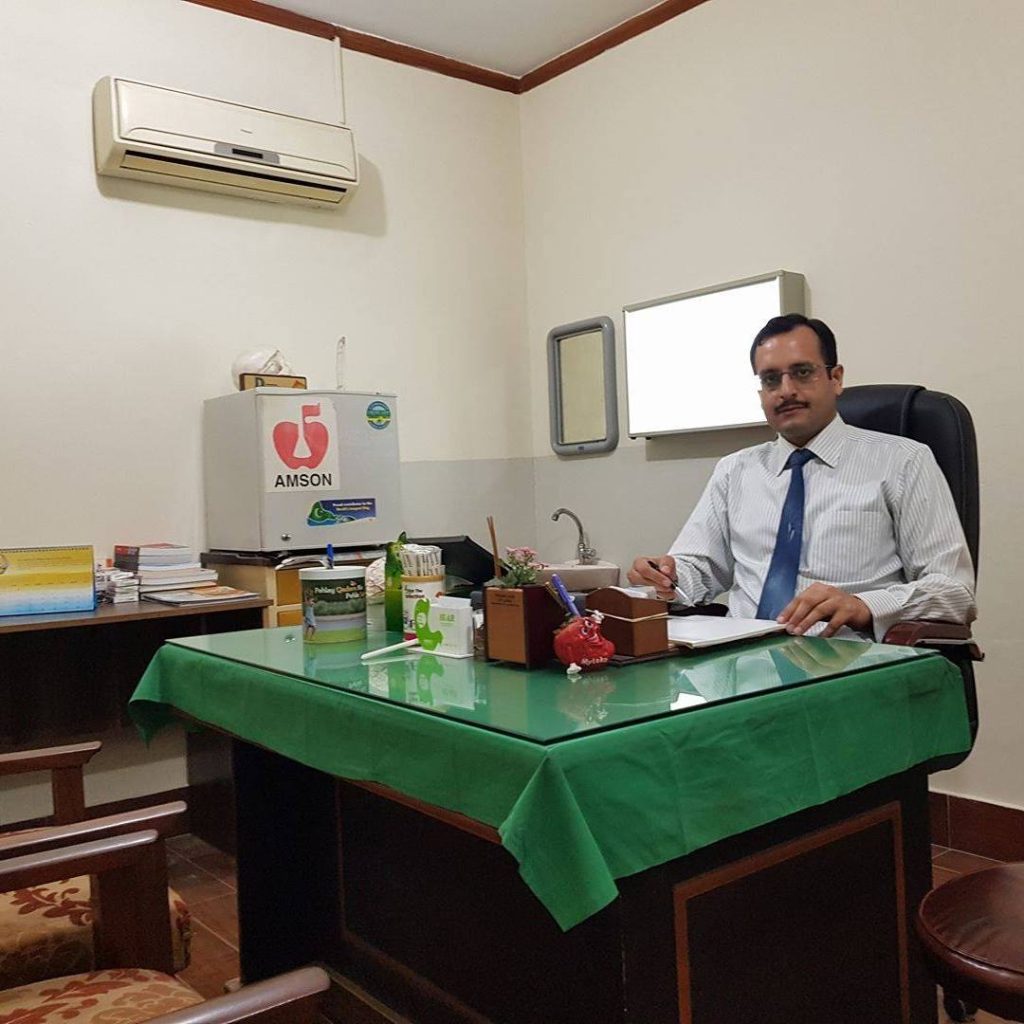
Dr. Waqas Mehdi (MBBS, FCPS Neurosurgery) is Asst. Professor at King Edward Medical University (KEMU) and Consultant Neurosurgeon at Mayo Hospital, Lahore. His private OPD at MidCity Hospital, 3-A Main Jail Road, Lahore is open for consultations. Call 0300-8482624 or 042-35407131-6 Ext #282 to book an appointment.
Consult Dr. Waqas Mehdi Today
Pakistan's trusted neurosurgeon for brain tumor surgery, spine surgery, and all complex neurological conditions. Book your appointment at MidCity Hospital, Lahore.