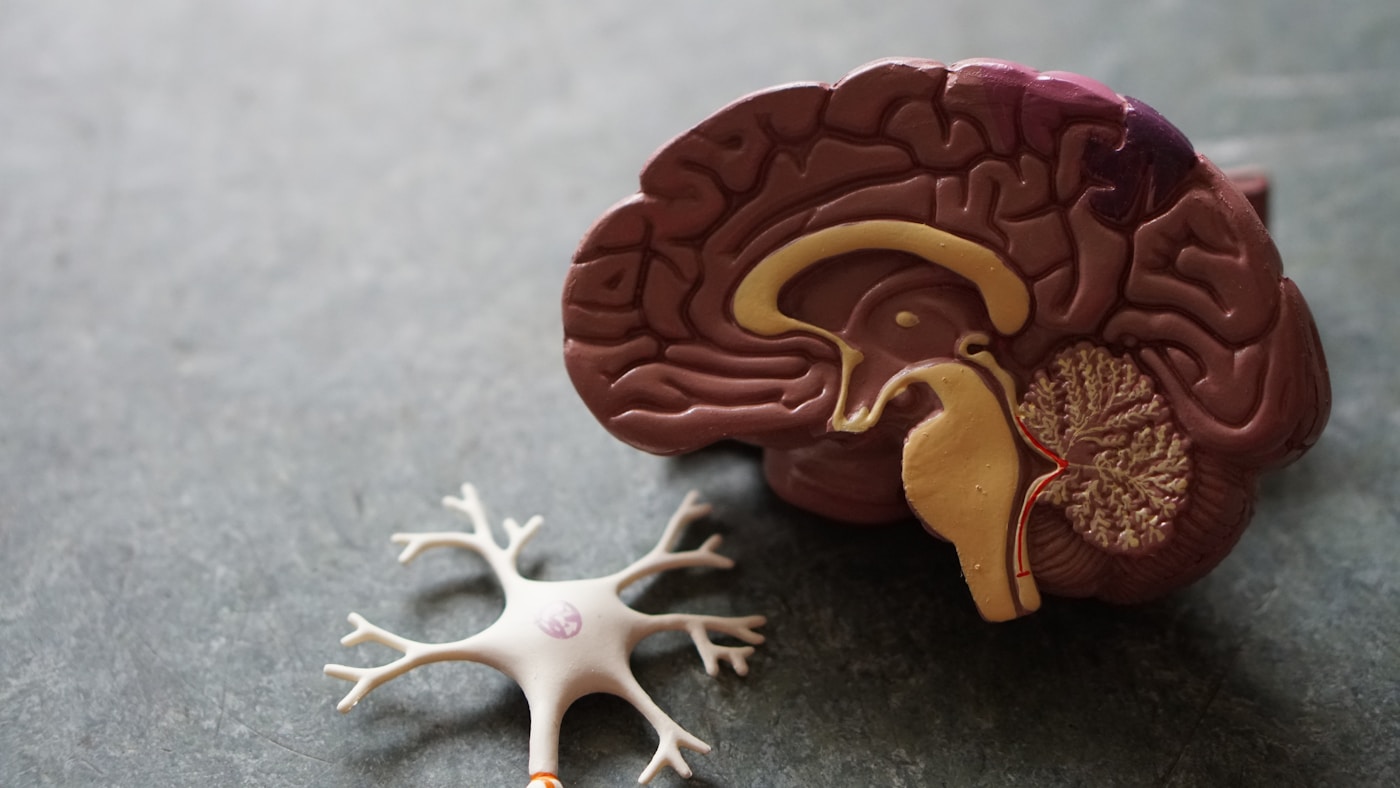
Trigeminal Neuralgia (Chehra Dard)
The most severe face pain known to medicine — specialist neurosurgical diagnosis and treatment in Lahore, Pakistan
What is Trigeminal Neuralgia?
Trigeminal neuralgia (TN) — sometimes called tic douloureux or chehra dard — is a chronic pain condition affecting the trigeminal nerve, which carries sensation from your face to your brain. It causes sudden, severe, electric shock-like pain on one side of the face, lasting from a few seconds to a couple of minutes.
TN is considered one of the most painful conditions known to medicine. The pain can be so extreme and frequent that patients stop eating, talking, and even washing their face to avoid triggering an attack. It profoundly affects quality of life — and it is tragically often misdiagnosed as dental pain or jaw problems for months or years.
The most common cause is compression of the trigeminal nerve root by a blood vessel (usually an artery) at the point where it enters the brainstem. This compression causes the nerve to malfunction, firing pain signals spontaneously and in response to even the lightest touch.
Dr. Waqas Mehdi, FCPS Neurosurgeon at MidCity Hospital Lahore, has experience in diagnosing and managing trigeminal neuralgia — from optimising medical treatment to advising on surgical options including Microvascular Decompression (MVD).
Classic Symptoms of Trigeminal Neuralgia
If you have these symptoms, see a neurosurgeon. Dental treatment and tooth extraction will not help — and often the diagnosis is dental pain for months before TN is identified.
Types of Trigeminal Neuralgia
Type 1 (Classic / TN1)
The most common and most dramatically painful type. Sudden, electric-shock attacks lasting seconds to minutes, with complete pain-free periods in between. Usually caused by vascular compression of the nerve.
Type 2 (Atypical / TN2)
Less episodic — a constant burning or aching pain with occasional sharp attacks overlaid. More difficult to treat. Background ache never fully disappears. Often confused with other conditions.
Secondary TN (Symptomatic)
Caused by an underlying condition such as multiple sclerosis (MS), a tumour pressing on the nerve, or arteriovenous malformation. MRI is essential to rule this out in all new cases.
Post-herpetic TN
Facial pain following shingles (herpes zoster) affecting the trigeminal nerve. A burning, constant pain rather than electric shocks. More common in elderly patients.
How is Trigeminal Neuralgia Diagnosed?
TN is primarily a clinical diagnosis — based on the pattern and quality of pain described by the patient. Investigations are used to identify the cause and rule out serious secondary causes.
Trigeminal Neuralgia Treatment Options
Medical Treatment (First Line)
- › Carbamazepine (Tegretol) — first-choice drug. Controls attacks in 70–80% of patients initially.
- › Oxcarbazepine — better tolerated alternative to carbamazepine
- › Gabapentin or Pregabalin — useful addition or alternative
- › Baclofen — muscle relaxant with pain-modulating properties
- › Combination therapy — often needed as the condition progresses
- › Regular blood monitoring — carbamazepine can affect blood counts and liver
Percutaneous Procedures (When Medications Fail or Cause Side Effects)
- › Percutaneous Rhizotomy (Glycerol injection / Balloon compression / Radiofrequency) — needle through cheek to damage pain fibres. No general anaesthesia needed. Effective but may recur.
- › Stereotactic Radiosurgery (Gamma Knife / CyberKnife) — targeted radiation to trigeminal nerve root. Non-invasive. Pain relief may take weeks to months.
Microvascular Decompression (MVD) — The Definitive Surgical Cure
- › The only treatment that addresses the root cause — separating the compressing blood vessel from the trigeminal nerve
- › Best long-term pain-free outcomes of any procedure — 80% pain-free at 5 years
- › Requires general anaesthesia and small craniotomy behind the ear
- › Recommended for younger patients in good health, with classic TN1, where MRI shows clear vascular compression
- › Performed by neurosurgeons — Dr. Waqas Mehdi advises on MVD candidacy at consultation
Frequently Asked Questions
What is trigeminal neuralgia?
Who is the best doctor for trigeminal neuralgia treatment in Lahore?
What are the symptoms of trigeminal neuralgia?
Can trigeminal neuralgia be cured without surgery?
What is Microvascular Decompression (MVD) surgery?
Get a Specialist Consultation for Face Pain in Lahore
If you or a family member has severe episodes of one-sided face pain, consult Dr. Waqas Mehdi for a correct diagnosis and treatment plan. Do not suffer for years with a missed diagnosis. MidCity Hospital, Lahore — Mon to Sat, 6–8 PM.
Related Conditions & Services
Consult Dr. Waqas Mehdi Today
Pakistan's trusted neurosurgeon for brain tumor surgery, spine surgery, and all complex neurological conditions. Book your appointment at MidCity Hospital, Lahore.