Chiari Malformation
Diagnosis and decompression surgery for Chiari malformation in Lahore, Pakistan
What is a Chiari Malformation?
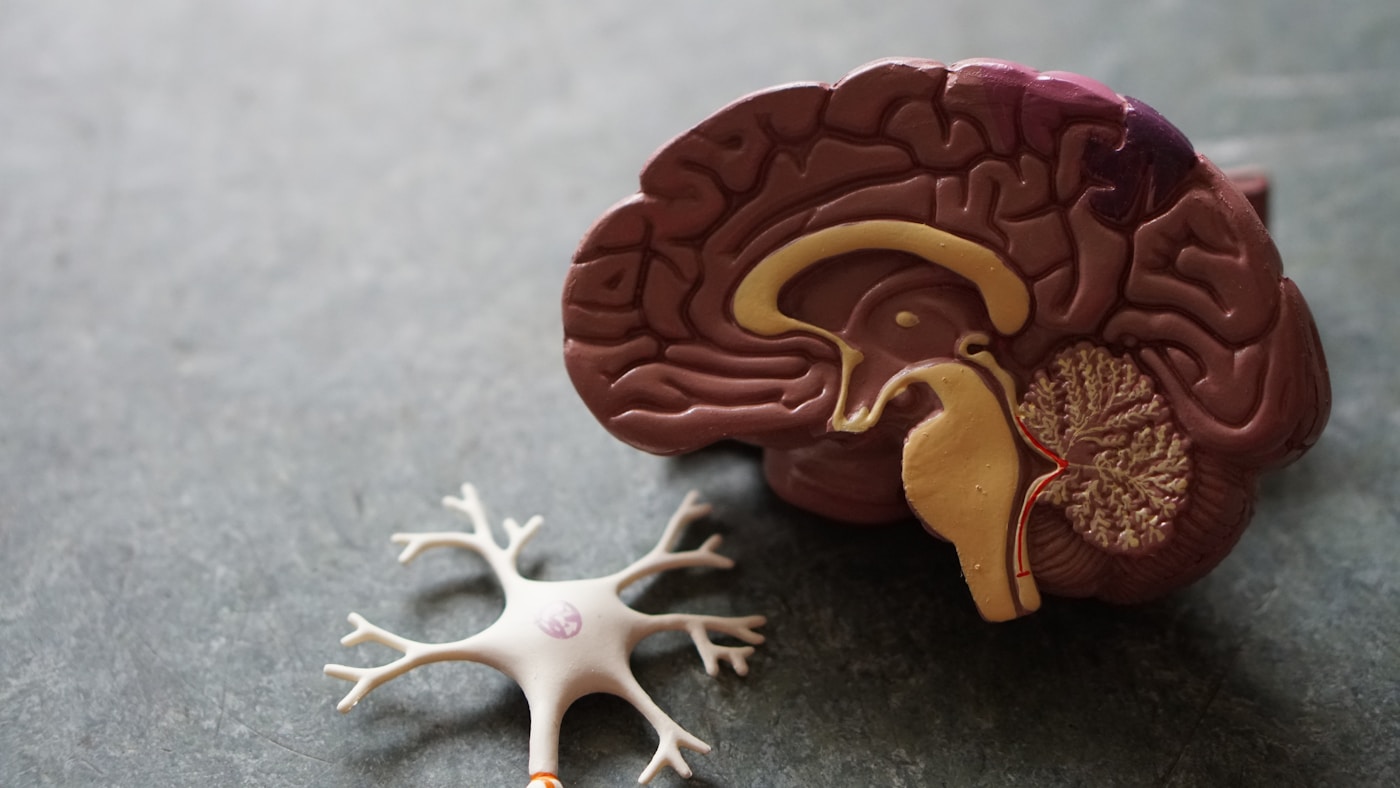
A Chiari malformation (also called Arnold-Chiari malformation) is a structural problem at the base of the skull, in which the cerebellar tonsils — the lowest part of the cerebellum — extend down through the foramen magnum (the natural opening at the base of the skull) into the upper part of the spinal canal.
This crowding can compress the brainstem and upper spinal cord, and can also block the normal flow of cerebrospinal fluid (CSF) between the brain and spinal cord. In some cases this leads to the formation of a syrinx — a fluid-filled cavity within the spinal cord itself (syringomyelia), which can cause additional neurological symptoms.
Dr. Waqas Mehdi, FCPS Neurosurgeon at MidCity Hospital Lahore, evaluates patients with Chiari malformation — many of whom are found incidentally on an MRI done for headaches or neck pain — and advises on whether observation or decompression surgery is the right course of action.
Symptoms of Chiari Malformation
Diagnosis
Treatment Options
Observation
For patients with a mild, incidentally discovered Chiari malformation and no significant symptoms, periodic clinical review and MRI monitoring is often all that is needed.
Posterior Fossa Decompression Surgery
The standard surgical treatment for symptomatic Chiari malformation. A small amount of bone is removed at the back of the skull (and sometimes the first vertebra) to relieve crowding, often combined with opening the dura (duraplasty) to restore normal CSF flow.
Management of Associated Syringomyelia
In most cases, successful decompression surgery allows the syrinx to shrink over time without needing separate treatment. Follow-up MRI tracks this response.
Symptomatic Treatment
Pain management and physiotherapy can help with headache and neck symptoms in patients being observed or recovering from surgery.
Frequently Asked Questions
What is a Chiari malformation?
Who treats Chiari malformation in Lahore?
What are the symptoms of Chiari malformation?
Does Chiari malformation always need surgery?
What does Chiari decompression surgery involve?
Found to Have a Chiari Malformation on MRI?
Consult Dr. Waqas Mehdi for a clear explanation of what your MRI shows and whether treatment is needed. MidCity Hospital, Lahore — Mon to Sat, 6–8 PM.
Related Conditions & Services
Consult Dr. Waqas Mehdi Today
Pakistan's trusted neurosurgeon for brain tumor surgery, spine surgery, and all complex neurological conditions. Book your appointment at MidCity Hospital, Lahore.