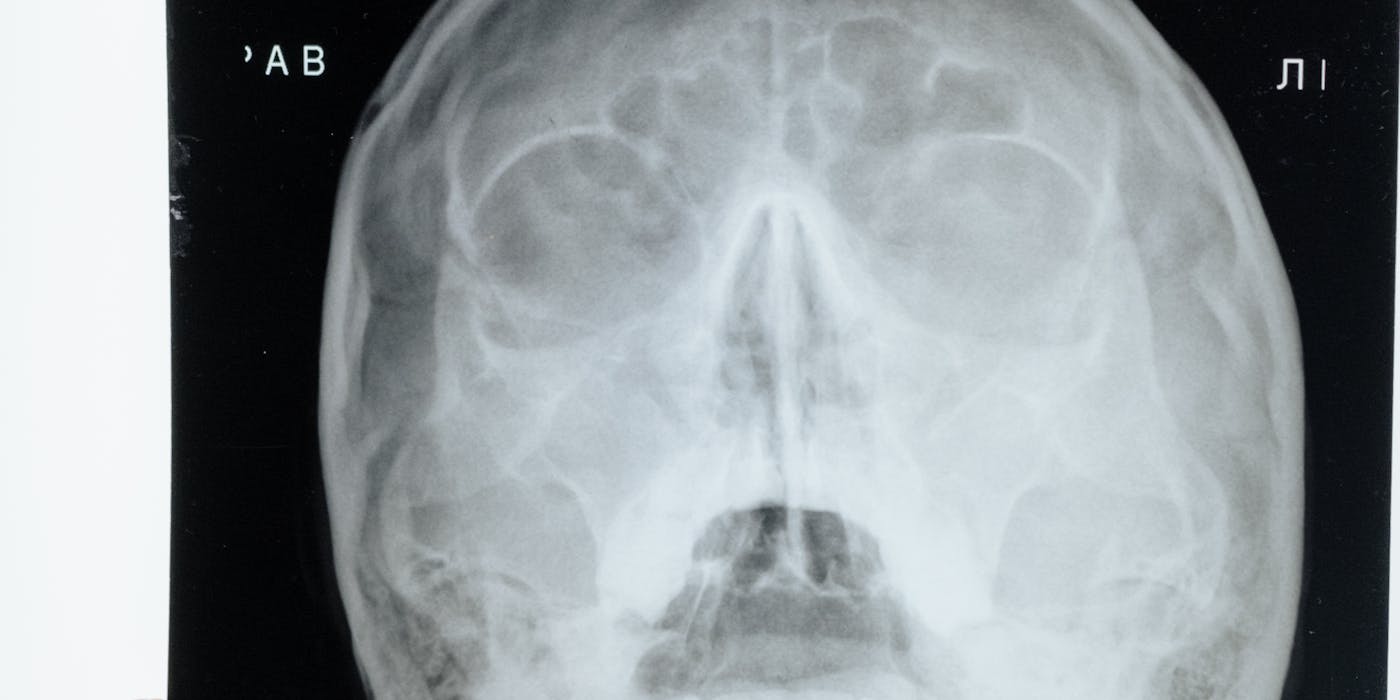
Head Injury & Neurotrauma Treatment Lahore
Emergency and elective neurosurgical management of traumatic brain injuries, skull fractures, subdural hematomas, and all neurotrauma conditions — available for urgent consultation when every minute matters.
Head Injury & Traumatic Brain Injury (TBI): Understanding Severity
A head injury occurs whenever an external force — an impact, a fall, a blow, or a sudden jolt — damages the scalp, skull, or brain. When the brain itself is affected, it is called a traumatic brain injury (TBI). TBI is not a single condition; it exists on a spectrum from mild to severe, and correctly identifying where a patient falls on that spectrum is the single most important step in getting the right treatment quickly.
Neurosurgeons classify TBI severity using a clinical tool called the Glasgow Coma Scale (GCS), which scores a patient's eye-opening, verbal response, and motor response. In simple terms: a mild TBI (often called a concussion) means the patient is alert or only briefly confused, with no major loss of consciousness. A moderate TBI involves a longer period of confusion or a brief loss of consciousness with some abnormal findings on scanning. A severe TBI means the patient is difficult to rouse or unconscious, and almost always requires urgent hospital-based neurosurgical care, often including surgery. This grading is not just academic — it directly determines whether a patient can be observed at home, needs a hospital admission, or needs emergency surgery.
In Pakistan, road traffic accidents — particularly motorcycle accidents without helmet use — are the leading cause of moderate and severe head injury, followed by falls (common in young children and the elderly), assault, and sports-related trauma. Because outcomes in TBI are extremely time-sensitive, the guiding principle in neurotrauma care is simple: 'time is brain.' The sooner a significant head injury is assessed by a neurosurgeon and, if needed, treated, the better the chance of a meaningful recovery.
Dr. Waqas Mehdi has extensive neurotrauma experience through his work at Mayo Hospital Lahore — one of Pakistan's busiest trauma centers, where he has managed the full spectrum of head injuries, from stabilizing patients in the emergency room to performing life-saving hematoma evacuations and decompressive surgery, through to long-term rehabilitation planning.
If you or a loved one has suffered a head injury of any kind, do not wait to see if symptoms 'settle down' on their own — especially after a road accident, a fall from height, or any injury involving loss of consciousness. Go to the nearest emergency room immediately for assessment, and seek neurosurgical evaluation without delay.
Emergency Red Flags vs. Mild Concussion Symptoms
Common Causes of Head Injury in Pakistan
Head Injury Treatment & Neurosurgical Interventions
Emergency Stabilization & ICP Monitoring
The first priority in any significant head injury is stabilizing breathing, blood pressure, and oxygenation, since a healthy blood and oxygen supply protects the injured brain from further damage. In moderate-to-severe TBI, Dr. Waqas Mehdi may place an intracranial pressure (ICP) monitor — a small device that continuously tracks pressure inside the skull — allowing the medical team to detect and treat dangerous swelling before it causes irreversible harm.
Decompressive Craniectomy
When the brain swells severely after injury, pressure inside the fixed space of the skull can rise to dangerous, life-threatening levels. Decompressive craniectomy involves temporarily removing a section of the skull bone to give the swollen brain room to expand safely. The bone is stored and later replaced (cranioplasty) once swelling has resolved. This procedure can be life-saving in severe TBI with refractory swelling.
Evacuation of Hematoma (Epidural, Subdural, Intracerebral)
Head injury can cause bleeding in different layers around or within the brain — an epidural hematoma (between the skull and the brain's outer lining), a subdural hematoma (beneath that lining), or an intracerebral hematoma (within the brain tissue itself). When a clot is large enough to compress the brain, emergency surgical evacuation is performed to remove the blood and relieve pressure. This is one of the most time-critical operations in neurosurgery.
Skull Fracture Management
Simple, non-displaced skull fractures often heal without surgery and are managed with observation. Depressed skull fractures — where a fragment of bone is pushed inward — may need surgery to elevate the fragment, protect the brain, and reduce the risk of infection or seizures.
Conservative / Observational Management for Mild TBI
The majority of head injuries are mild and do not require surgery. These patients are carefully assessed — often with a CT scan to rule out bleeding — and then monitored, either in hospital for 24 hours or with clear instructions for home observation, rest, and a gradual, medically guided return to normal activity.
Recovery & Aftercare
Recovery from head injury depends heavily on severity. Patients with severe TBI typically require a period of ICU monitoring, where the medical team manages brain swelling, blood pressure, oxygen levels, and sedation to give the brain the best possible environment to heal.
Rehabilitation is a core part of recovery for moderate and severe injuries. Physiotherapy helps restore strength, balance, and coordination; speech therapy addresses communication and swallowing difficulties; and cognitive rehabilitation helps patients regain memory, attention, and problem-solving skills that can be affected after significant brain injury.
Timeline expectations vary widely: many mild concussions resolve within one to three weeks with rest and gradual activity. Moderate TBI recovery often unfolds over several months. Severe TBI may involve weeks of hospital-based care followed by months to over a year of structured rehabilitation, with progress that can continue well beyond the first year.
Even mild concussions can, in a minority of patients, lead to post-concussion syndrome — a cluster of headache, dizziness, poor concentration, and fatigue that lingers for weeks or months beyond the initial injury. This is a recognized condition and is manageable with the right guidance, rest strategy, and gradual return-to-activity plan rather than complete inactivity.
Dr. Waqas Mehdi coordinates multidisciplinary care including intensivists, physiotherapists, speech therapists, and neuropsychologists so that recovery addresses the physical, cognitive, and emotional aspects of head injury together.
Family education and support are an integral part of the recovery process at his clinic, since recognizing warning signs, understanding realistic timelines, and supporting a gradual return to normal life all significantly influence long-term outcomes.
Why Choose Dr. Waqas Mehdi?
- 20+ years of neurotrauma experience — one of Lahore's most experienced head injury surgeons
- Deep emergency trauma-surgery background from Mayo Hospital, one of Pakistan's busiest trauma centers
- Available for urgent consultation for severe head injuries requiring rapid decision-making
- Skilled across the full range of neurotrauma surgery — hematoma evacuation, decompressive craniectomy, and skull fracture repair
- Experience managing both adult and pediatric head injury cases
- Comprehensive follow-up including neuropsychological assessment and coordinated rehabilitation planning
Frequently Asked Questions
What should I do immediately after a head injury?
How do I know if a head injury is serious?
What is a CSF leak and is it dangerous?
How long does brain injury recovery take?
Can a mild concussion cause long-term problems?
When is emergency brain surgery needed after a head injury?
My family member had a head injury — what should I do?
Can brain damage from head injury be reversed?
Book an Appointment
Consult Dr. Waqas Mehdi at MidCity Hospital, Lahore
0300-8482624042-35407131-6 Ext #282Related Services

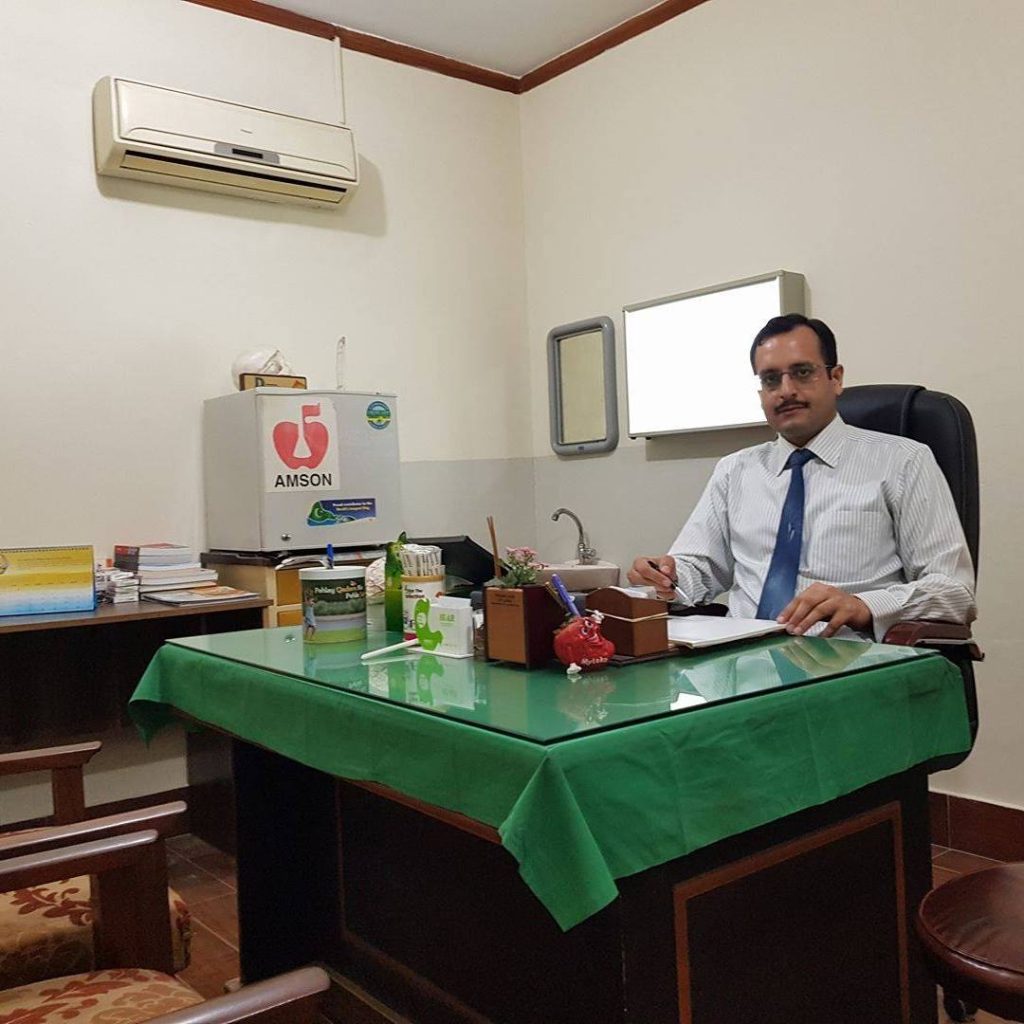
Head Injury & Trauma – Available for Patients Across Pakistan
Dr. Waqas Mehdi, one of the best neurosurgeons in Lahore and Pakistan, provides expert head injury & trauma at MidCity Hospital and Mayo Hospital Lahore. Patients regularly travel from across Pakistan to consult him — including from:
Dr. Waqas Mehdi (MBBS, FCPS Neurosurgery) is Asst. Professor at King Edward Medical University (KEMU) and Consultant Neurosurgeon at Mayo Hospital, Lahore. His private OPD at MidCity Hospital, 3-A Main Jail Road, Lahore is open for consultations. Call 0300-8482624 or 042-35407131-6 Ext #282 to book an appointment.
Consult Dr. Waqas Mehdi Today
Pakistan's trusted neurosurgeon for brain tumor surgery, spine surgery, and all complex neurological conditions. Book your appointment at MidCity Hospital, Lahore.