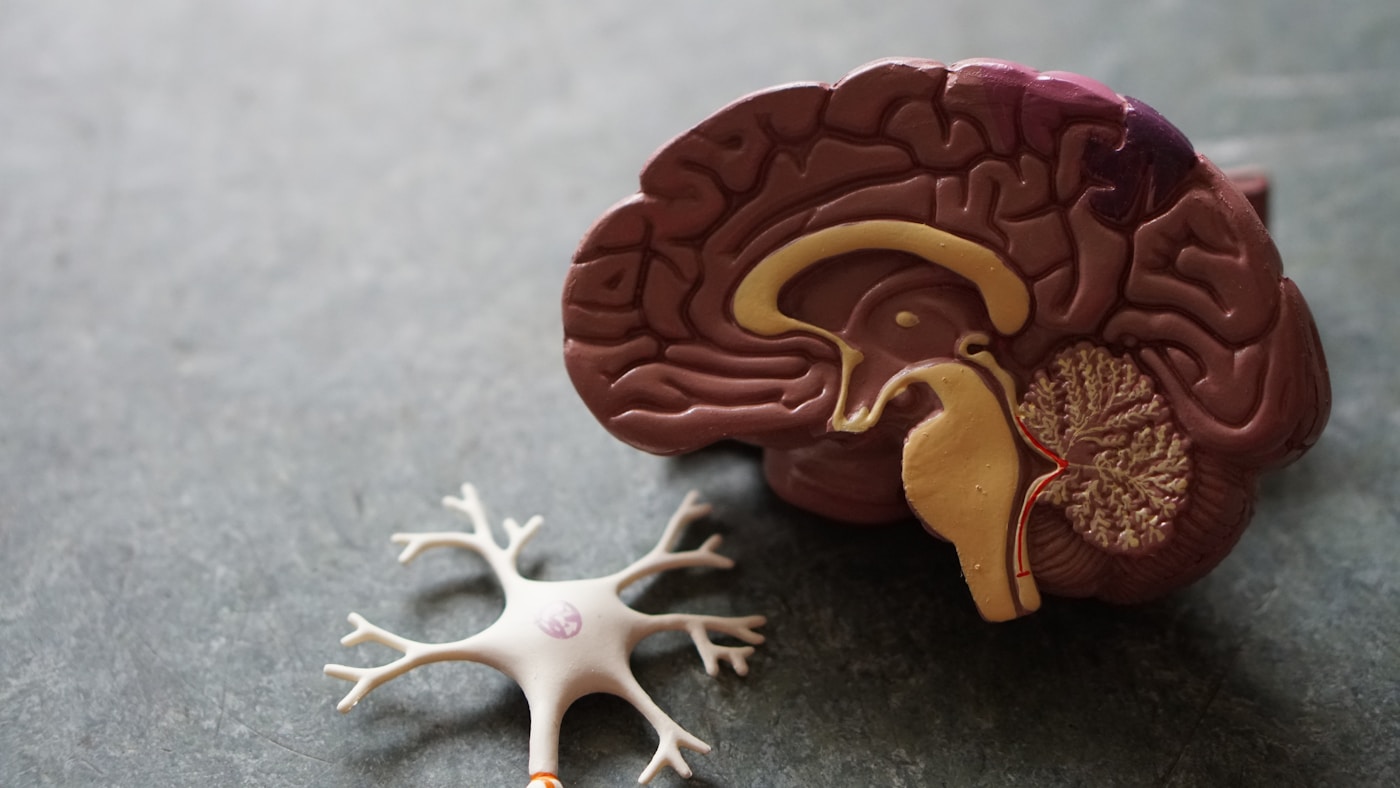
When Is a Headache a Sign of a Brain Problem?
Most headaches are harmless. Here are the specific warning signs that mean a headache needs prompt medical or neurosurgical evaluation.
Headaches Are Common — Dangerous Ones Are Rare
Almost everyone gets a headache at some point, and for the overwhelming majority of people it is nothing more than a tension-type headache or migraine — uncomfortable, but not a sign of anything structurally wrong inside the skull. Patients frequently worry, understandably, about whether a headache could mean a brain tumor, an aneurysm, or another serious problem.
In reality, only a small minority of headaches carry features that point toward a structural cause needing brain imaging or neurosurgical assessment. Doctors call these features "red flags" — specific patterns, in the character, timing, or accompanying symptoms of a headache, that are statistically associated with a dangerous underlying cause and therefore warrant further investigation.
This guide walks through the recognised red-flag headache patterns one at a time, explains why each one is concerning, and what you should do if it applies to you. It is not a substitute for medical assessment, and it is not meant to cause anxiety about ordinary headaches — it is meant to help you recognise the uncommon exception.
Sudden, Severe 'Thunderclap' Headache
A thunderclap headache reaches its maximum intensity within seconds to a few minutes — patients often describe it as the worst headache of their life, sometimes likened to being struck on the head. This pattern is the classic presentation of a ruptured brain aneurysm causing bleeding around the brain (subarachnoid haemorrhage), though a small number of other causes can also produce it.
A true thunderclap headache is a medical emergency. It should never be managed at home or with over-the-counter painkillers alone — go to the nearest emergency department immediately for a CT scan. See our detailed guide to brain aneurysm for more on this condition and its treatment.
Headache with Vomiting
Occasional nausea accompanies many ordinary headaches, including migraine. What is concerning is new, unexplained vomiting with a headache — particularly forceful or repeated vomiting that is not explained by a stomach bug, food poisoning, or a known migraine pattern.
This combination can indicate raised pressure inside the skull (raised intracranial pressure), which can occur when a mass, bleed, or blockage of cerebrospinal fluid circulation takes up space or obstructs normal fluid flow in the brain. If a headache and vomiting occur together without an obvious cause, especially if the headache is also new or worsening, it should be assessed promptly.
Headache with Blurred Vision or Visual Changes
Headache accompanied by blurred vision, double vision, or a loss of part of the visual field can mean that something is pressing on the visual pathways — the optic nerves, optic chiasm, or the areas of the brain that process vision. Papilloedema (swelling of the optic nerve visible on eye examination) is a specific sign doctors look for in this context, as it reflects raised pressure inside the skull.
Visual field loss described as a "curtain" affecting the outer parts of vision in both eyes can relate to a mass near the pituitary gland pressing on the optic chiasm — see our page on pituitary tumor for more detail. Migraine can also cause visual disturbance (visual "aura"), which is common and usually benign, but any visual change that is new, persistent, or does not fully resolve deserves assessment.
Morning Headaches or Headaches That Wake You From Sleep
A headache that is present on waking and tends to improve as the day goes on is a recognised — though not exclusive — pattern associated with raised intracranial pressure. It is thought to relate to natural changes in blood carbon dioxide levels and fluid dynamics during sleep, which can transiently increase pressure inside the skull overnight. A headache severe enough to actually wake you from sleep is a similar, notable pattern.
Most morning headaches have simpler explanations — poor sleep quality, snoring or sleep apnoea, dehydration, or overuse of pain medication. But when this pattern is new, persistent over more than a couple of weeks, or comes with any of the other red flags on this page, it is worth having assessed.
Headache Worse with Coughing, Sneezing, or Straining
A headache that sharply worsens with coughing, sneezing, bending over, or straining (for example during a bowel movement) follows what doctors call the Valsalva pattern. These actions briefly raise pressure in the chest and abdomen, which transiently raises pressure inside the skull too — and a headache that reacts strongly to this can point toward an underlying cause of raised intracranial pressure.
This pattern is also specifically associated with Chiari malformation, a condition in which the lower part of the brain (the cerebellar tonsils) extends into the spinal canal and can be sensitive to these pressure changes. Read more on our Chiari malformation page.
Headache with New Weakness, Numbness, or Difficulty Speaking
A headache accompanied by a new neurological deficit — weakness or numbness on one side of the body, drooping of the face, difficulty finding words or slurred speech, loss of coordination, or confusion — must be treated as a possible stroke or a mass lesion (such as a tumor or bleed) affecting brain function, until proven otherwise.
This combination requires emergency assessment. Do not wait to see if it improves — go to the nearest emergency department immediately, ideally by ambulance, so that time-sensitive investigations and treatment (particularly for stroke) can begin as early as possible.
New Headache Pattern After a Head Injury
A headache that develops or changes after a blow to the head — whether from a fall, road traffic accident, sports injury, or assault — should not be dismissed as "just a bump," particularly if the headache is worsening, associated with vomiting, drowsiness, confusion, or any weakness or visual change. These can be signs of a bleed inside the skull (such as a subdural or extradural haematoma) developing over hours to days after the injury.
See our page on head injury and trauma for guidance on when a head injury needs urgent evaluation.
New Headaches After Age 50, or a Progressively Worsening Pattern
A new headache disorder starting for the first time after the age of 50 — in someone who has never had significant headaches before — is treated with more caution, because the likelihood of an underlying structural cause rises with age. Similarly, a headache that steadily worsens in frequency or severity over weeks, rather than settling into a stable, recognisable pattern, is a red flag in its own right, regardless of age.
Both patterns generally warrant brain imaging to rule out a structural cause such as a tumor. Our pages on brain tumor surgery and brain tumors explain how such lesions are diagnosed and treated when they are found.
Most Headaches Are Not Dangerous
It is worth repeating: the vast majority of headaches — including recurrent, frustrating, and sometimes severe ones — are primary headache disorders such as tension-type headache and migraine. These conditions have no dangerous underlying structural cause. They are extremely common, well understood, and are usually diagnosed on history and examination alone, without the need for brain imaging or neurosurgical referral.
Primary headache disorders are typically managed by a physician or neurologist, using a combination of lifestyle measures, trigger identification, and appropriate medication. Interventional options for difficult or chronic pain, including facial and headache-related pain, are covered on our neuro pain management page.
The purpose of this page is not to make ordinary headaches feel alarming — it is the opposite: by clearly describing the uncommon red-flag patterns, we hope to make it easier to recognise the rare occasion when a headache genuinely needs urgent attention, while reassuring you that most headaches do not fall into that category.
What Should You Do?
Go to the Emergency Department Now
If you have a thunderclap headache (maximum severity within seconds to minutes) or a headache with any new neurological deficit — weakness, numbness, difficulty speaking, loss of consciousness, or a seizure — go to the nearest emergency department immediately. Do not wait for an appointment.
Seek Prompt Medical Assessment
For the other patterns described above — headache with vomiting, visual change, morning headaches, headaches worse with straining, post-injury headache, or a new pattern after age 50 — arrange a prompt medical or neurosurgical assessment rather than an emergency visit, unless the headache is also severe or rapidly worsening.
Dr. Waqas Mehdi, FCPS Neurosurgeon and Assistant Professor at King Edward Medical University (KEMU) and Mayo Hospital, Lahore, evaluates patients with red-flag headache patterns at MidCity Hospital, Lahore, and can advise on whether imaging or further investigation is needed. For patients needing rapid evaluation, see our urgent neurosurgery consultation page, or contact us to book an appointment.
Frequently Asked Questions
What is a thunderclap headache?
Can a headache be a sign of a brain tumor?
When should a headache be treated as an emergency?
Why are morning headaches concerning?
What does headache with blurred vision mean?
Does every headache need a brain scan?
Should I see a neurologist or a neurosurgeon for my headache?
Concerned About a Headache Pattern?
If your headache matches one of the red-flag patterns above, don't ignore it. Consult Dr. Waqas Mehdi for a thorough evaluation at MidCity Hospital, Lahore. Mon to Sat, 6–8 PM.
Related Conditions & Services
Consult Dr. Waqas Mehdi Today
Pakistan's trusted neurosurgeon for brain tumor surgery, spine surgery, and all complex neurological conditions. Book your appointment at MidCity Hospital, Lahore.