Trigeminal neuralgia — known historically as tic douloureux (French for "painful tic") — has been called the "suicide disease" because of the unrelenting severity of its pain. Patients describe brief but explosive electric shocks, burning stabs, or crushing pain in one side of the face, triggered by the most innocent stimuli: eating, talking, touching the cheek, a gust of wind. Dr. Waqas Mehdi, FCPS Neurosurgeon and Asst. Professor at KEMU, is one of the few surgeons in Pakistan trained in both percutaneous radiofrequency ablation (RFA) and the definitive cure — microvascular decompression (MVD). This guide gives Pakistani patients a clear understanding of their options.
What Is Trigeminal Neuralgia?
The trigeminal nerve (the fifth cranial nerve) supplies sensation to the face, scalp, teeth, gums, sinuses, and part of the mouth. It has three branches: V1 (forehead and eye), V2 (cheek and upper lip), and V3 (lower jaw and chin). In trigeminal neuralgia, a blood vessel — usually the superior cerebellar artery — pulsates against the trigeminal nerve root where it enters the brainstem. This constant pulsatile compression gradually damages the nerve's protective myelin sheath, causing it to fire abnormally and produce explosive paroxysms of excruciating pain.
How Does Trigeminal Neuralgia Feel? — Recognising the Diagnosis
- Sudden, severe, electric-shock-like or stabbing pain on ONE side of the face only
- Pain lasting a fraction of a second to 2 minutes — but attacks can come in rapid volleys
- Pain-free intervals between attacks (classic TN type 1) — or constant background aching with superimposed stabs (type 2)
- Trigger zones: upper lip, nasolabial fold, cheek, gums — triggered by chewing, speaking, brushing teeth, wind, or cold air
- No facial weakness or numbness (unlike MS-related facial pain)
- Most common in patients over 50; more common in women
- Often misdiagnosed as dental pain — patients frequently undergo unnecessary tooth extractions before correct diagnosis
Important: Many trigeminal neuralgia patients in Pakistan are wrongly told their pain is dental or psychological. If you have had teeth extracted without relief from facial pain, please see a neurosurgeon. An MRI with dedicated trigeminal nerve protocol can confirm the diagnosis and identify the offending vessel.
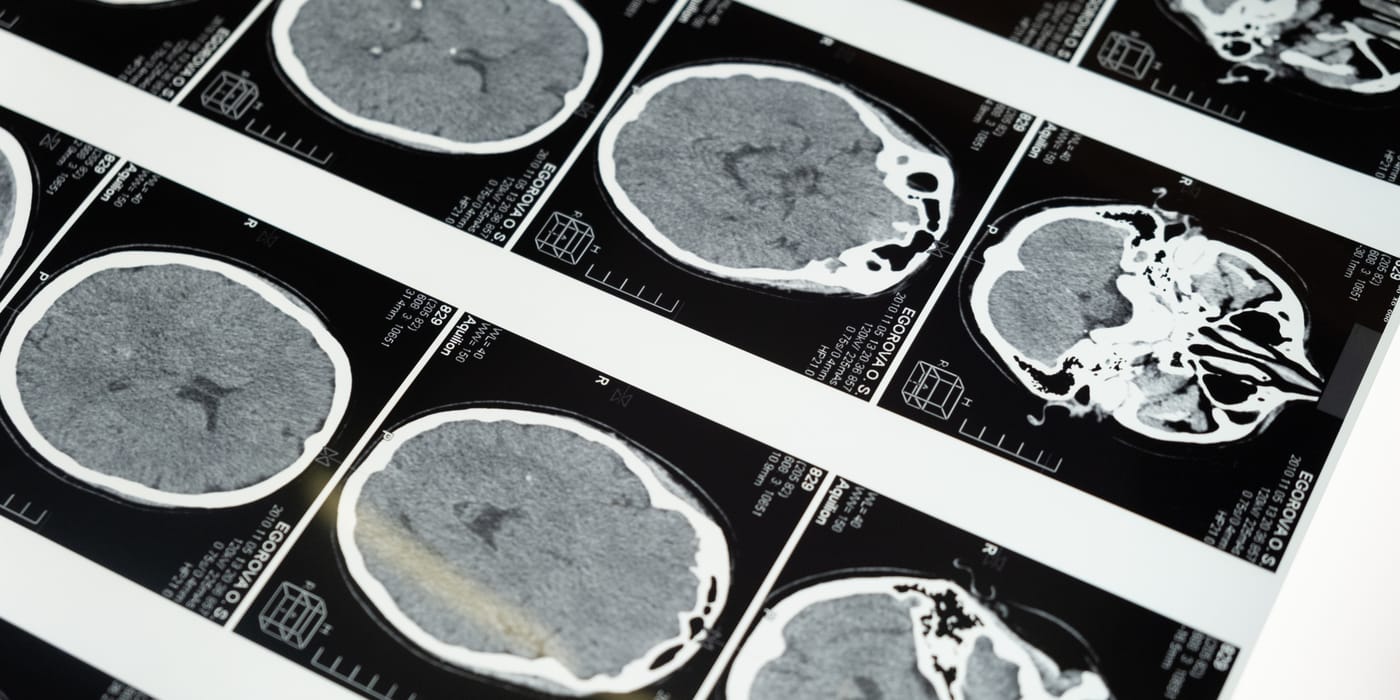
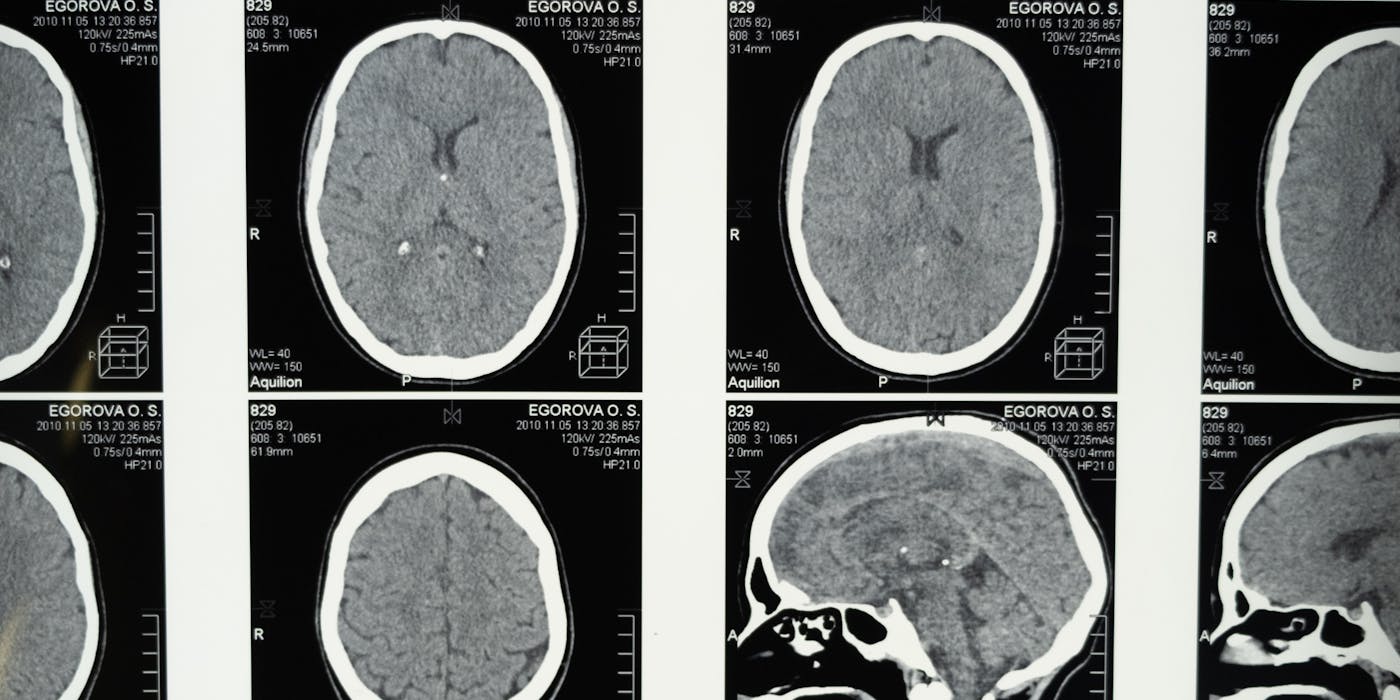
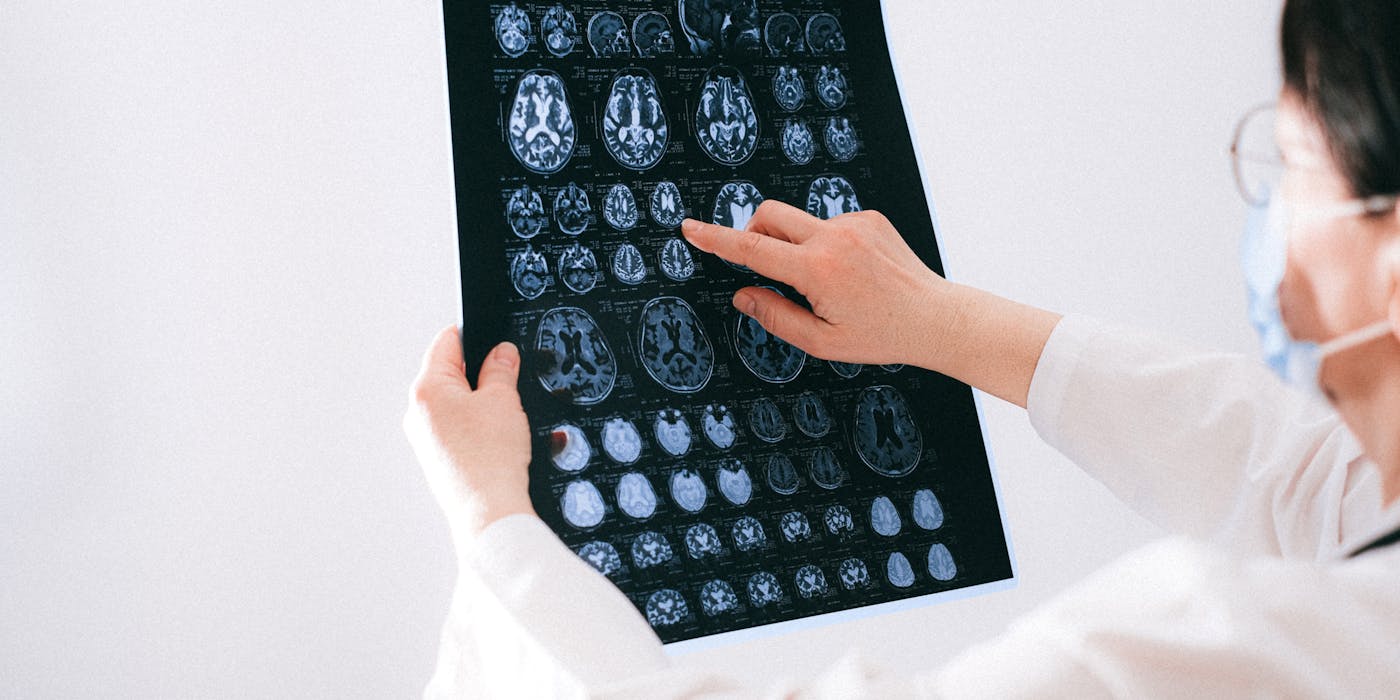
Diagnosis: MRI Imaging for Trigeminal Neuralgia
High-resolution MRI of the brain — specifically a FIESTA or CISS sequence — can visualise the trigeminal nerve root and identify the blood vessel compressing it. This confirms the diagnosis and helps plan surgery. Multiple sclerosis can also cause trigeminal neuralgia through MS plaques at the nerve root entry zone — MRI also identifies this. Dr. Waqas Mehdi reviews all MRI sequences personally at MidCity Hospital, Lahore.
Medical Treatment: The First Step
Carbamazepine (Tegretol) is the first-line medication and is dramatically effective in early trigeminal neuralgia — providing good pain control in 70–80% of patients initially. However, many patients develop tolerance over time requiring increasing doses, and side effects (drowsiness, low sodium, rash) often become intolerable. Oxcarbazepine, gabapentin, pregabalin, and baclofen are alternatives or add-on medications. When medications fail to control pain adequately, or side effects are unacceptable, surgical intervention is indicated.
Radiofrequency Ablation (RFA) — Percutaneous Rhizotomy
Percutaneous radiofrequency ablation (RFA) — also called percutaneous rhizotomy — is a minimally invasive procedure performed under brief general anaesthesia. A needle is inserted through the cheek and guided through the base of the skull (foramen ovale) to the Gasserian ganglion (the main trigeminal nerve cluster) using X-ray guidance. Radiofrequency heat energy is then delivered to partially damage the pain-carrying fibres of the trigeminal nerve, interrupting the pain signals.
- Procedure time: 30–45 minutes, day-case procedure (no overnight stay required)
- Anaesthesia: brief general anaesthesia (patient asleep for needle placement only)
- Pain relief: immediate in over 90% of patients
- Main side effect: facial numbness in the treated area — usually acceptable and partial
- Recurrence rate: 20–30% at 5 years — repeat procedures are possible
- Ideal for: elderly patients, medically unfit patients who cannot tolerate open surgery, patients who want a quick procedure
- Available at MidCity Hospital, Lahore, performed by Dr. Waqas Mehdi
Microvascular Decompression (MVD) — The Definitive Cure
Microvascular decompression (MVD) is the only treatment that addresses the actual cause of trigeminal neuralgia — the blood vessel compressing the nerve. Through a small opening behind the ear (retrosigmoid craniotomy), the neurosurgeon navigates under the operating microscope to the trigeminal nerve root at the brainstem. The offending blood vessel is identified and a small Teflon sponge is placed between the vessel and the nerve — separating them permanently and stopping the abnormal firing.
- Success rate: 80–90% complete, medication-free pain relief immediately after surgery
- Long-term cure: 70–75% remain pain-free at 10 years — the best long-term outcome of any TN treatment
- No facial numbness: because the nerve itself is preserved (unlike RFA)
- Hospital stay: 3–4 days
- Risks (low): hearing loss, facial weakness, CSF leak — each under 2% in experienced hands
- Ideal for: younger patients, patients with classic TN type 1, patients who want the highest chance of cure
- Performed by Dr. Waqas Mehdi at MidCity Hospital and Mayo Hospital, Lahore
RFA vs MVD: Which Is Right for You?
The choice between RFA and MVD depends on age and medical fitness, severity and type of TN, MRI findings (vessel visible or not), patient preference regarding facial numbness, and prior treatments. Dr. Waqas Mehdi offers a thorough consultation reviewing all these factors before recommending treatment. Both procedures are available in Lahore — patients no longer need to travel abroad for world-class trigeminal neuralgia treatment.
Gamma Knife Radiosurgery — Another Option
Stereotactic radiosurgery (Gamma Knife or CyberKnife) delivers a focused beam of radiation to the trigeminal nerve root, causing gradual injury and pain reduction over weeks to months. It is non-invasive but results are slower, success rates slightly lower than MVD, and it is currently limited to a few centres in Pakistan. Dr. Waqas Mehdi can advise if this is appropriate for your case.
Trigeminal neuralgia is one of the most treatable pain conditions in neurosurgery — yet many patients in Pakistan suffer for years without a correct diagnosis or access to surgical care. If you or a family member has unexplained severe facial pain that has not responded to dental treatment or general pain medications, please seek neurosurgical evaluation. Dr. Waqas Mehdi is available at MidCity Hospital, 3-A Main Jail Road, Lahore. Call: 0300-8482624. Pain-free life is possible.

Dr. Waqas Mehdi is one of Pakistan's leading neurosurgeons, practicing at MidCity Hospital and Mayo Hospital Lahore. He specializes in brain tumors, spine surgery, and minimally invasive neurosurgery.
View Full Profile →