Sciatica is one of the most common painful conditions seen by Dr. Waqas Mehdi, FCPS Neurosurgeon at MidCity Hospital, Lahore. Every week, dozens of patients arrive convinced they need surgery — having been told so by well-meaning relatives or having read alarming things online. The reality is more reassuring: the vast majority of sciatica cases can be successfully treated without surgery. This complete guide explains what sciatica is, all available non-surgical treatments in Pakistan, the realistic timeline for recovery, and the specific situations where surgery becomes necessary.
What Is Sciatica? Understanding the Cause
The sciatic nerve is the largest nerve in the human body — formed from nerve roots at L4, L5, S1, S2, and S3 in the lower spine. It travels from the lower back, through the buttock, down the back of the thigh, and all the way to the foot. Sciatica is not a diagnosis in itself — it is a symptom (leg pain following the sciatic nerve distribution) caused by compression or irritation of one or more of those nerve roots. The most common cause in Pakistan is lumbar disc herniation (slip disc) at L4-L5 or L5-S1. Other causes include spinal stenosis, piriformis syndrome, and — rarely — tumors or infections.
How Does Sciatica Feel? — Recognising the Symptoms
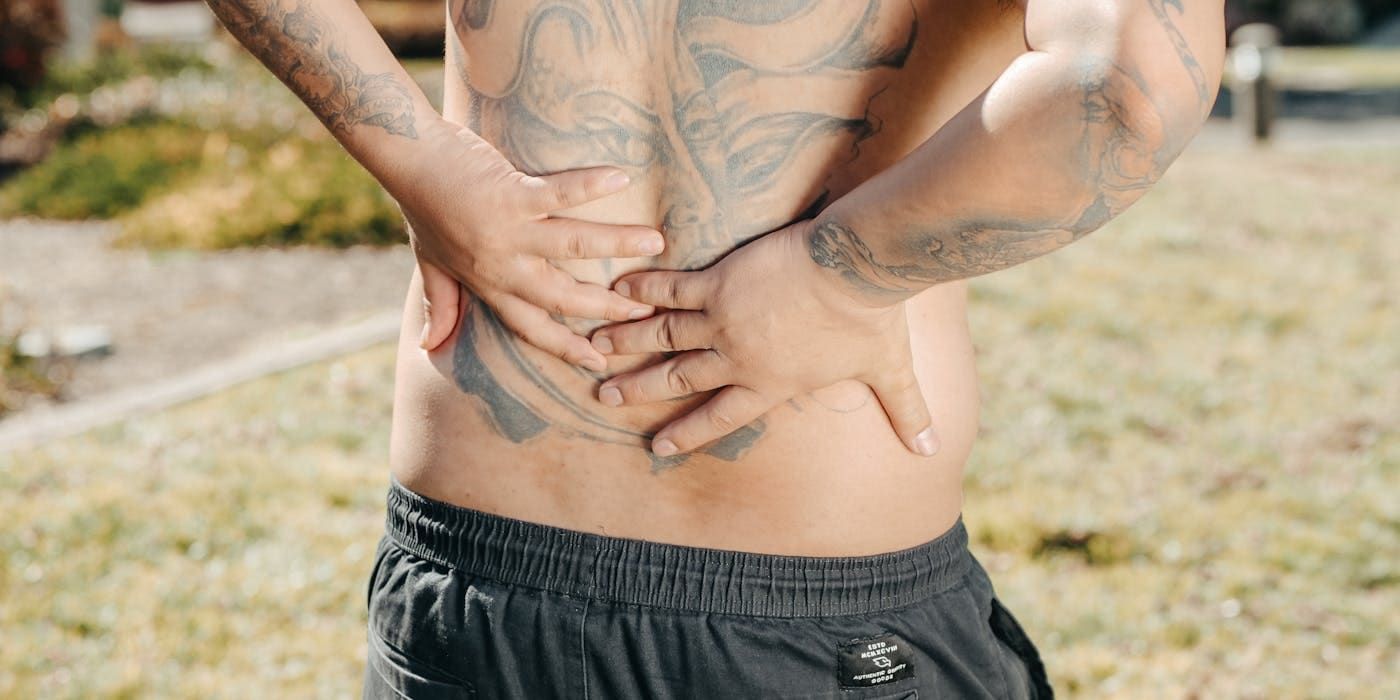
- Shooting, burning, or electric-shock pain starting in the lower back and radiating through the buttock, down the back of the thigh, into the calf and foot
- Numbness or pins-and-needles in the foot, calf, or outer ankle
- Pain typically affects ONE leg only (both legs = possible spinal stenosis or cauda equina)
- Pain dramatically worsens with prolonged sitting, coughing, sneezing, or straining
- Relief when walking slowly or lying down with the knees slightly bent
- Foot drop (inability to lift the foot up) in severe cases — a sign of significant nerve damage
- Typically follows the L4, L5, or S1 nerve root distribution — each with a characteristic pain and numbness pattern
Emergency Warning: If sciatica is associated with loss of bladder or bowel control, numbness in the inner thighs ("saddle area"), or weakness in both legs simultaneously — this is Cauda Equina Syndrome. Go to the emergency room immediately or call Dr. Waqas Mehdi: 0300-8482624. This requires emergency surgery within hours to prevent permanent paralysis.
The Good News: Natural Recovery Rate for Sciatica
Multiple large studies have consistently shown that 80–90% of acute sciatica cases — even those caused by significant disc herniation — improve substantially within 6–12 weeks without surgery. The body's immune system identifies the herniated disc material as foreign, sends macrophages to reabsorb it, and the disc gradually shrinks back. Nerve inflammation settles. This means the most important thing you can do is give your body time — while actively managing symptoms with the treatments below.
1. Relative Rest — Not Complete Bed Rest
Complete bed rest is NOT recommended for sciatica — it actually slows recovery. The key is relative rest: avoid activities that severely worsen pain (prolonged sitting, heavy lifting, bending forward), but continue gentle walking. Short walks of 10–15 minutes multiple times daily promote blood flow to the disc and nerve, reduce inflammation, and prevent muscle deconditioning. Avoid prolonged sitting (more than 20–30 minutes without a break) as it dramatically increases disc pressure and worsens sciatica.
2. Medications for Sciatica Pain Relief in Pakistan
- NSAIDs (ibuprofen, diclofenac, naproxen) — reduce inflammation around the compressed nerve root. Take with food. Available over the counter in Pakistan.
- Muscle relaxants (cyclobenzaprine, methocarbamol, diazepam short-course) — relieve associated muscle spasm in the lower back
- Nerve pain medications (gabapentin, pregabalin) — specifically target neuropathic (nerve) pain. Significantly reduce the burning, electric, and tingling component of sciatica. Prescription required.
- Oral corticosteroids (methylprednisolone dose pack) — short 5–7 day course reduces disc-related nerve root inflammation dramatically. Very effective for acute severe flares.
- Tramadol or other opioids — short-term use only for severe acute pain under medical supervision
- Topical diclofenac gel — for lower back muscle spasm component
3. Physiotherapy — The Cornerstone of Non-Surgical Treatment
Targeted physiotherapy by a trained physiotherapist is the most important non-surgical intervention for sciatica. In Lahore, physiotherapy services are available at major hospitals including Mayo Hospital, MidCity Hospital, and multiple private clinics. The McKenzie Method (extension-based exercises) is particularly effective for disc-related sciatica — many patients achieve dramatic relief within 3–5 sessions. Core strengthening exercises stabilise the lumbar spine, reducing load on the affected disc. Postural correction, ergonomic advice, and neural mobilisation (sciatic nerve gliding exercises) complete the treatment programme.
4. Sciatica Exercises You Can Do at Home (Pakistan)
- Prone lying (lying flat on your stomach) — helps reduce disc pressure on the nerve root in most lumbar disc herniations
- Press-up (McKenzie extension) — from prone position, push your upper body up with your arms while keeping your hips on the floor. 10 repetitions every 2 hours.
- Pelvic tilts — gentle abdominal activation exercise, safe in acute phase
- Knee-to-chest stretch — very gently pull one knee to your chest while lying on your back. Hold 30 seconds. Do not force.
- Piriformis stretch — lying on your back, cross one ankle over the opposite knee and gently pull the uncrossed leg towards your chest
- Sciatic nerve glide — sitting in a chair, straighten one knee to horizontal, then gently flex the foot up and hold 10 seconds. 10 repetitions.
- IMPORTANT: Stop any exercise that significantly worsens leg pain (centralisation of pain — pain moving from leg to back — is a good sign; peripheralisation — pain moving further down the leg — means STOP that exercise)
5. Epidural Steroid Injection — A Targeted Non-Surgical Treatment
When medications and physiotherapy are not providing adequate relief after 4–6 weeks, a lumbar epidural steroid injection or transforaminal selective nerve root block is the next step before considering surgery. Dr. Waqas Mehdi performs these procedures under fluoroscopy (X-ray guidance) at MidCity Hospital, Lahore. A corticosteroid (e.g. triamcinolone) mixed with local anaesthetic is injected precisely around the compressed nerve root, delivering a concentrated anti-inflammatory dose directly to the site of pathology. Studies show 60–70% of patients achieve significant, sustained relief from a single injection — often avoiding surgery entirely. The procedure takes 20–30 minutes, is done under mild sedation, and patients go home the same day.
6. TENS, Heat, and Other Adjunct Therapies
Transcutaneous electrical nerve stimulation (TENS) machines are widely available in Lahore and provide safe, temporary pain relief by blocking pain signals. Heat packs on the lower back (not the leg) relax muscle spasm. Ice packs in the first 48–72 hours of an acute flare reduce local inflammation. Ultrasound therapy and interferential current therapy administered by physiotherapists can help with the lower back muscle component. These are adjuncts — not primary treatments — and work best alongside exercises and medications.
When Does Sciatica Require Surgery? — The Clear Indications
- 1. Cauda Equina Syndrome — EMERGENCY. Loss of bladder/bowel control, saddle numbness, bilateral leg weakness. Surgery within hours.
- 2. Progressive foot drop or rapidly worsening leg weakness — surgery within 24–72 hours to prevent permanent nerve damage.
- 3. Failed conservative treatment — severe, debilitating sciatica persisting beyond 6–12 weeks of proper physiotherapy, medications, and epidural injection.
- 4. Intolerable pain affecting work, sleep, and quality of life despite maximum non-surgical treatment.
- 5. Recurrent severe episodes significantly disrupting normal life.
What Happens If Sciatica Is Left Untreated Too Long?
Most sciatica improves, but delaying evaluation has risks. Persistent severe nerve root compression can cause permanent numbness, weakness, or foot drop even after the disc is eventually removed. The longer a nerve is compressed under significant pressure, the less fully it recovers. This is why Dr. Waqas Mehdi recommends early consultation — not to rush surgery, but to confirm the diagnosis, rule out serious causes, monitor neurological status, and ensure the right treatment plan is in place from the start.
Sciatica During Pregnancy in Pakistan
Sciatica is common in pregnancy due to increased lumbar lordosis and the growing uterus pressing on pelvic nerves. Treatment in pregnancy is limited to physiotherapy, approved stretching exercises, paracetamol (safest analgesic), a pregnancy support belt, and sleeping on the side with a pillow between the knees. NSAIDs are avoided in the third trimester. Epidural injections are generally deferred post-delivery unless pain is severely debilitating. Surgery is rarely needed during pregnancy and only if there is progressive neurological deficit.
The good news for sciatica sufferers in Pakistan is clear: most cases do not need surgery. With the right combination of relative rest, targeted medications, physiotherapy, home exercises, and — when needed — an epidural injection, the majority of patients achieve full recovery. The key is starting the right treatment early and being monitored by a specialist who can identify the minority of patients who do need surgery before nerve damage becomes permanent. Dr. Waqas Mehdi offers comprehensive sciatica evaluation and non-surgical treatment at MidCity Hospital, 3-A Main Jail Road, Lahore. Call: 0300-8482624 to book your consultation today.
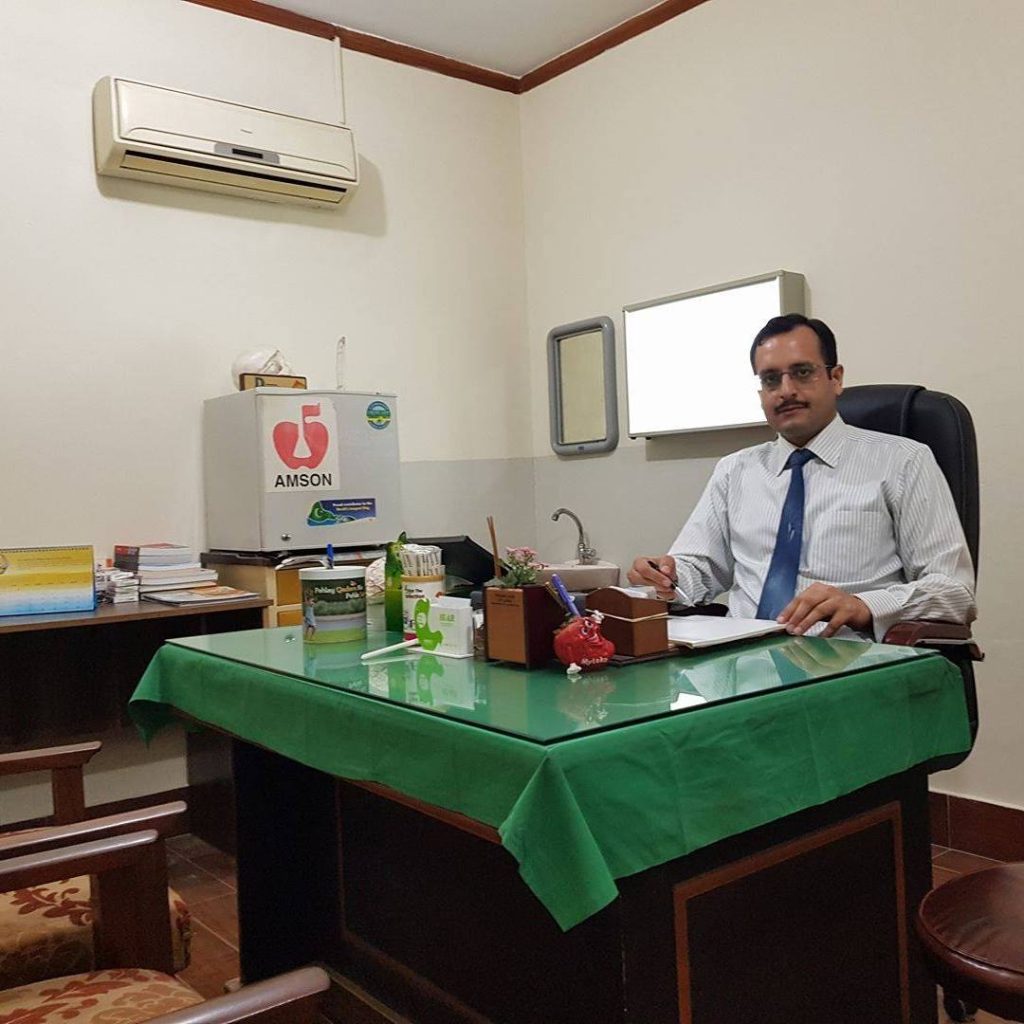
Dr. Waqas Mehdi is one of Pakistan's leading neurosurgeons, practicing at MidCity Hospital and Mayo Hospital Lahore. He specializes in brain tumors, spine surgery, and minimally invasive neurosurgery.
View Full Profile →