Neck pain is an epidemic in modern Pakistan — worsened by prolonged mobile phone use, desk-bound work, and lack of ergonomic awareness. But not all neck pain is the same. Dr. Waqas Mehdi, FCPS Neurosurgeon and Assistant Professor at King Edward Medical University (KEMU), Lahore, sees patients daily at MidCity Hospital with cervical disc prolapse, cervical spondylosis, and the far more serious cervical myelopathy. This guide explains the full spectrum — from conservative physiotherapy to ACDF surgery — so you know exactly what your options are.
The Cervical Spine: Why the Neck Is So Vulnerable
The cervical spine consists of seven vertebrae (C1–C7) separated by discs. The lower cervical levels — C5-C6 and C6-C7 — are the most mobile and bear the most stress. Over time, or after injury, these discs can bulge or herniate. The disc material presses on nearby nerve roots (causing arm pain and numbness) or on the spinal cord itself (cervical myelopathy) — a more serious condition. Risk factors include age over 40, prolonged phone or computer use with poor posture, whiplash injuries, and heavy manual labour.
Cervical Disc Prolapse vs Cervical Spondylosis — What Is the Difference?
Cervical disc prolapse (herniated disc) is an acute or subacute event where the soft nucleus of the disc pushes out through a tear and compresses a nerve root. Cervical spondylosis is a broader, degenerative process — the gradual wear-and-tear of the cervical spine including disc degeneration, bone spur (osteophyte) formation, and narrowing of the spinal canal and nerve exit holes (foramina). In Pakistan, many patients over 50 have some degree of spondylosis on imaging, but only a fraction have symptoms that require intervention.
Key distinction: Cervical radiculopathy = nerve root compression = arm pain, numbness, tingling. Cervical myelopathy = spinal cord compression = hand clumsiness, balance problems, leg weakness. Myelopathy is more serious and surgical treatment should not be delayed.
Symptoms of Cervical Disc Prolapse and Cervical Radiculopathy
- Sharp, burning, or electric pain from the neck radiating into the shoulder, arm, forearm, or fingers
- Numbness and tingling (pins-and-needles) in the hand or specific fingers — the pattern depends on which nerve root is compressed
- Weakness in the arm, difficulty gripping, or dropping objects
- Pain that worsens with extending the neck backwards or turning the head
- Relief when placing the hand on top of the head (Bakody sign — classic for cervical radiculopathy)
- Neck stiffness and restricted range of motion
Symptoms of Cervical Myelopathy — Spinal Cord Compression
Cervical myelopathy is insidious — it develops slowly and patients often adapt to worsening symptoms until significant neurological deficit is present. Warning signs include: fine motor difficulty (difficulty buttoning clothes, writing, handling small objects), electric shocks down the spine on neck flexion (Lhermitte's sign), unsteady gait and balance problems, unexplained weakness or stiffness in the legs, and — in advanced cases — bladder urgency or incontinence. If you have any of these symptoms with neck pain, see a neurosurgeon urgently. Cervical myelopathy does NOT improve with physiotherapy alone and requires surgical decompression.
Diagnosis: MRI Is Essential
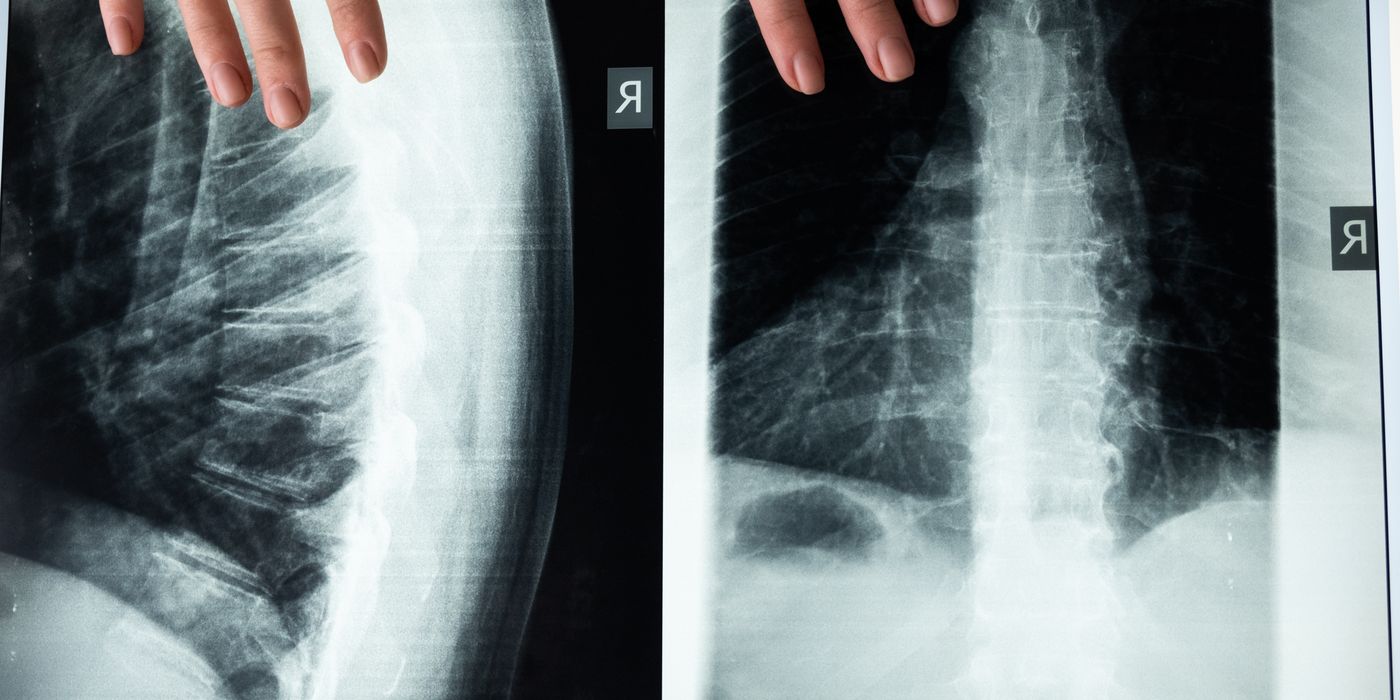
An MRI of the cervical spine with and without contrast is the cornerstone investigation. It shows the exact level of disc herniation, which nerve root or cord segment is compressed, and the degree of cord signal change (myelomalacia) — an indicator of severity. X-rays can show alignment and bony changes but miss soft tissue pathology. Nerve conduction studies (NCS/EMG) can help confirm which nerve root is most affected. Dr. Waqas Mehdi reviews all imaging himself during consultation at MidCity Hospital, Lahore.
Conservative Treatment for Cervical Disc Prolapse
For cervical radiculopathy without myelopathy, conservative treatment should be tried first for 6–12 weeks in most patients. The approach includes: soft cervical collar for temporary rest, medications (NSAIDs, gabapentin, muscle relaxants), targeted cervical physiotherapy — traction, McKenzie exercises, postural re-education, and cervical epidural or selective nerve root block injections performed under X-ray guidance for faster pain relief. 70–80% of cervical radiculopathy cases improve without surgery.
ACDF Surgery in Lahore: What Is It and When Is It Needed?
ACDF — Anterior Cervical Discectomy and Fusion — is the most common surgery for cervical disc prolapse and cervical myelopathy. Dr. Waqas Mehdi performs ACDF at MidCity Hospital, Lahore. The procedure involves a small incision at the front of the neck (2–3 cm), removal of the herniated disc and any bone spurs, decompression of the spinal cord and nerve roots, and placement of a cage (titanium or PEEK) filled with bone graft to fuse the vertebrae. A small plate and screws are added for stability. Surgery takes 1.5–2 hours under general anaesthesia. Most patients go home in 1–2 days and are back to desk work in 3–4 weeks.
- ACDF is indicated when: conservative treatment fails after 6–12 weeks for radiculopathy
- Progressive or severe arm weakness is present
- Cervical myelopathy is diagnosed — surgery should not be delayed
- Neck pain with severe disability affecting daily life and work
- MRI shows significant cord compression with signal change
Posterior Cervical Foraminotomy — An Alternative for Single-Level Disease
For suitable patients with soft disc herniation at one level causing radiculopathy, posterior cervical foraminotomy (keyhole surgery from the back of the neck) is an option that avoids fusion. Dr. Waqas Mehdi will assess which approach is right for you based on your MRI, symptoms, and clinical examination.
Recovery After Cervical Disc Surgery in Lahore
- Hospital stay: 1–2 days for single-level ACDF
- Cervical collar: worn for 2–4 weeks post-operatively
- Arm pain relief: usually immediate and dramatic on waking from anaesthesia
- Neck pain: some soreness at the incision site for 1–2 weeks
- Return to desk/office work: 3–4 weeks
- Return to driving: 4–6 weeks (after collar removal and physiotherapy clearance)
- Return to manual/physical work: 8–12 weeks
- Fusion confirmed on X-ray at 3 months post-operatively
Preventing Neck Pain and Cervical Disc Degeneration
Prevention is better than surgery. Key habits that protect your cervical spine: hold mobile phones at eye level rather than looking down, use a monitor at eye height, maintain neutral spine posture while driving, avoid carrying heavy loads on one shoulder, strengthen the deep neck flexor and postural muscles with physiotherapy exercises, sleep with a supportive pillow that keeps the neck in a neutral position, and take frequent breaks from desk work with gentle neck mobility exercises.
Neck pain ranges from simple muscle tension to serious spinal cord compression. If you have neck pain with arm symptoms — numbness, tingling, weakness — or signs of myelopathy such as unsteady walking or clumsy hands, do not delay evaluation. Dr. Waqas Mehdi is available for consultation at MidCity Hospital, 3-A Main Jail Road, Lahore. Call: 0300-8482624. Accurate diagnosis and timely treatment can prevent permanent neurological damage and restore your quality of life.
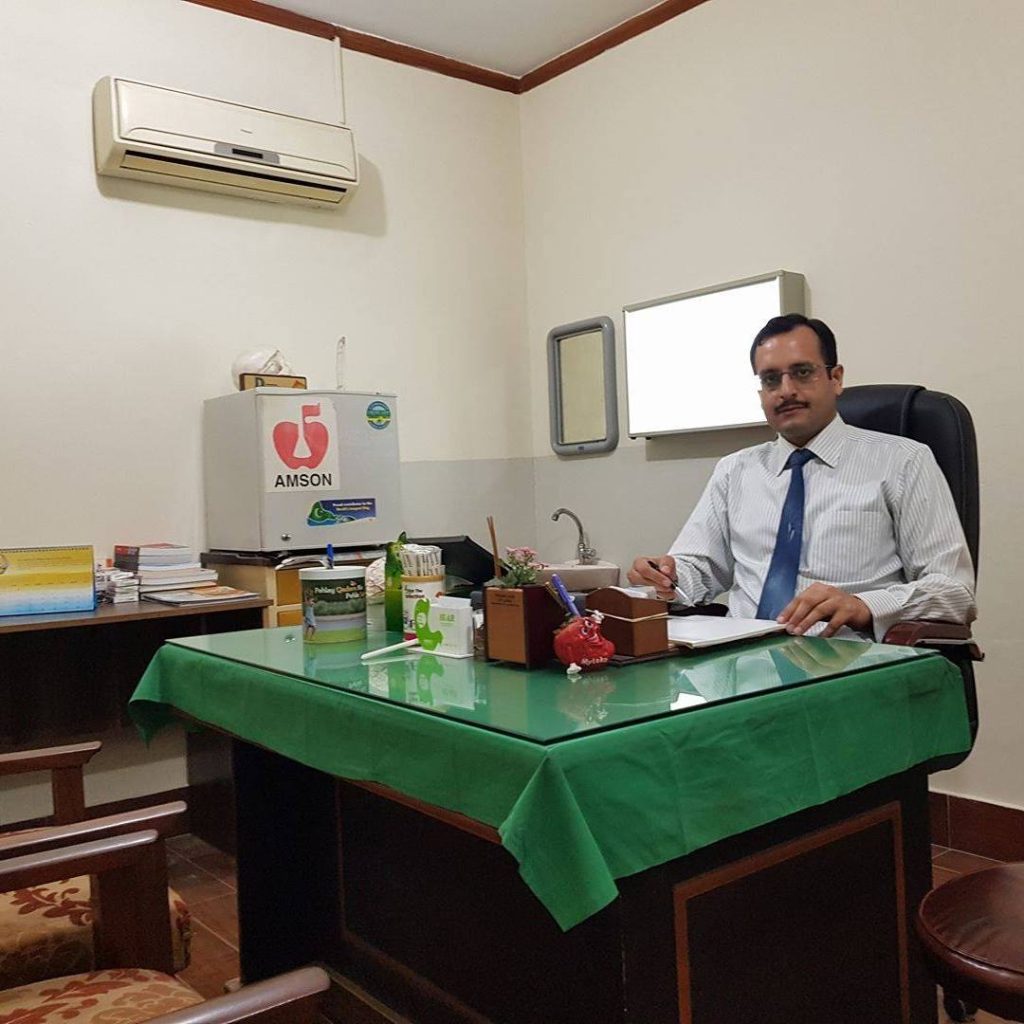
Dr. Waqas Mehdi is one of Pakistan's leading neurosurgeons, practicing at MidCity Hospital and Mayo Hospital Lahore. He specializes in brain tumors, spine surgery, and minimally invasive neurosurgery.
View Full Profile →